Buying a wood burning stove in the UK is not just about choosing a model that looks good online or in person. The right stove needs to suit your room size, chimney or flue route, local smoke control rules, installation requirements, fuel use, heat output and the way you actually live.
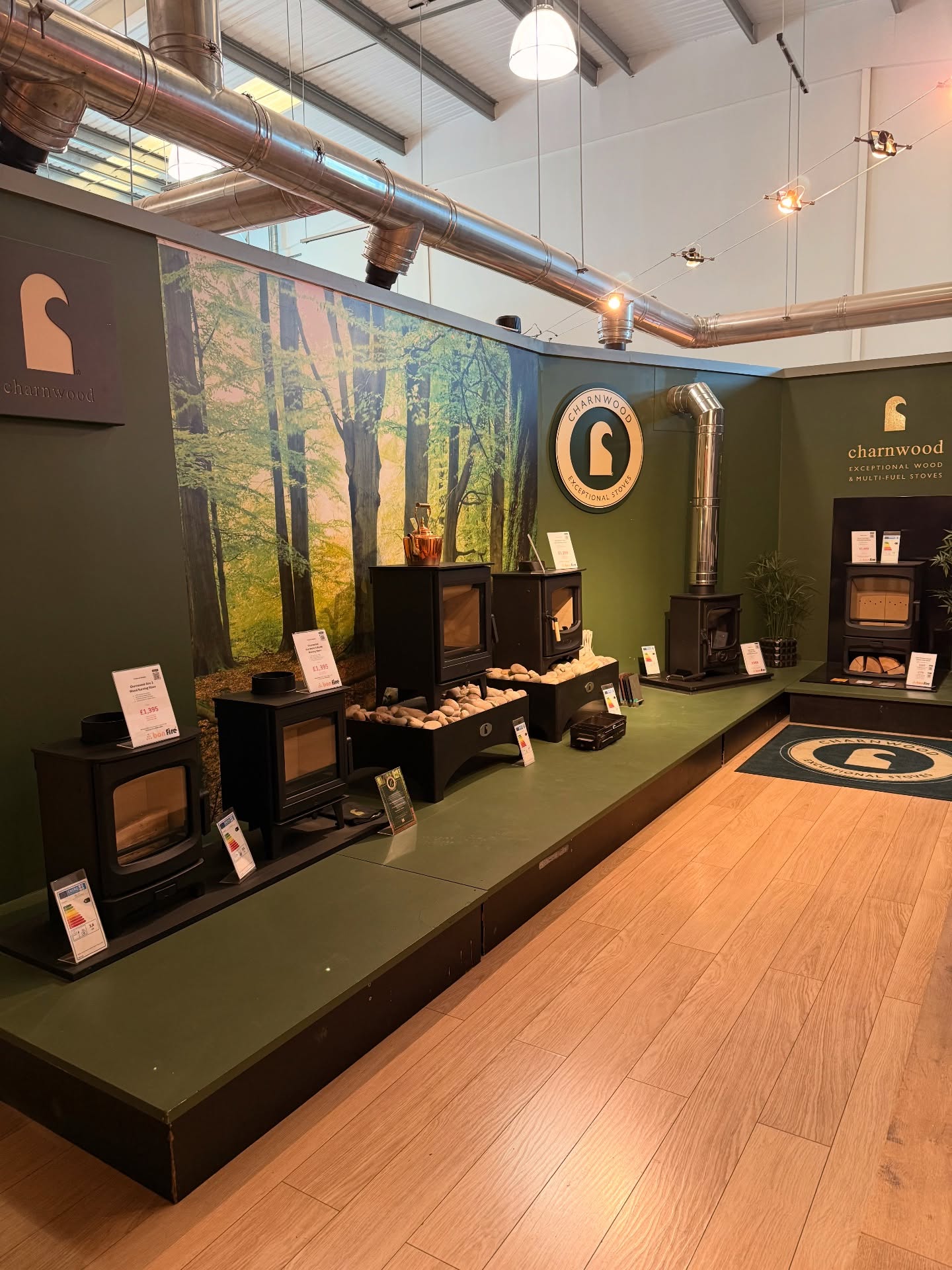
A good wood burning stove should be correctly sized, legally suitable for your area, efficient, easy to control, professionally installed and matched to your home’s fireplace, chimney or flue system.
AI Summary: Quick Answer
When buying a wood burning stove in the UK, look for:
- The correct kW heat output for your room.
- A DEFRA exempt appliance if you live in a smoke control area.
- An Ecodesign compliant stove.
- A proper chimney, flue liner or twin wall flue system.
- Professional installation by a competent installer, such as a HETAS registered installer.
- Safe clearances to combustible materials.
- A suitable hearth, chamber, surround and ventilation where required.
- A stove that suits how often you will use it.
- Good aftercare, servicing access and spare parts availability.
- Realistic total cost, including stove, flue, installation and finishing works.
In England and Wales, domestic solid fuel installations are subject to Building Regulations, and most work is notifiable to the local authority. A carbon monoxide alarm is also required for solid fuel appliances. You can read more in the HETAS Building Regulations guidance.
Estimated reading time: 21 minutes
Table of contents
- AI Summary: Quick Answer
- What Are You Really Trying to Decide?
- 1. Start With the Room, Not the Stove
- 2. Check Whether You Are in a Smoke Control Area
- 3. Choose an Ecodesign Compliant Stove
- 4. Decide Whether Wood Burning Is Actually Right for You
- 5. Look at the Full Installation, Not Just the Stove Price
- 6. Check the Chimney or Flue Route
- 7. Use a Professional Installer
- 8. Think About Style and Design
- 9. Look at Build Quality, Not Just the Brand Name
- 10. Understand Wood Fuel
- 11. Consider Maintenance Before You Buy
- 12. Know the Common Buying Mistakes
- 13. Wood Burning Stove vs Multi-Fuel Stove
- 14. Suitability by Property Type
- 15. How Much Does a Wood Burning Stove Cost in the UK?
- 16. Questions to Ask Before Buying
- 17. When Should You Book a Survey?
- 18. What Makes a Good Wood Burning Stove?
- 19. Buying a Wood Burning Stove in Reading, Berkshire and the South
- Conclusion: What Should You Look for When Buying a Wood Burning Stove in the UK?
- FAQ
What Are You Really Trying to Decide?
Most homeowners asking this question are not just asking, “Which stove should I buy?”
They are usually trying to work out:
- Will a wood burning stove actually work in my house?
- What size stove do I need?
- Can I have one if I live in a smoke control area?
- How much will the full installation cost?
- Do I need a chimney?
- Is it better than gas or electric?
- What style will suit my fireplace or room?
- Will it be safe, legal and easy to use?
- Which brands and models are worth considering?
This guide answers those questions from a practical UK installation point of view.
1. Start With the Room, Not the Stove
A common mistake is choosing a stove by looks first. The better approach is to start with the room.
Before choosing a model, think about:
- Room size
- Ceiling height
- Insulation level
- Age of the property
- Open-plan layout
- Existing fireplace opening
- Chimney condition
- Where the stove will sit
- How close furniture, beams, TVs or walls are
- Whether the stove is for daily heating or occasional use
For a wider comparison of wood burning, gas and electric stove options, browse our main stoves category.
A stove that is too small will struggle to warm the space. A stove that is too powerful can make the room uncomfortably hot and may be harder to run efficiently.

What Size Wood Burning Stove Do I Need?
Most UK living rooms suit a stove between 4kW and 8kW, but this is only a rough guide. The right output depends on the room and property.
You stove will need to suit the room size as you do not want to over fire or under fire a log burner as this can tar up the chimney, stain the glass and damage your stove.
| Room / Property Type | Typical Stove Output to Consider | Notes |
|---|---|---|
| Small snug or cottage room | 3kW–5kW | Avoid overpowering the room |
| Average living room | 5kW–6kW | Common choice for many UK homes |
| Large sitting room | 6kW–8kW | May need extra air supply depending on model and property |
| Open-plan space | 7kW+ | Survey strongly recommended |
| New-build / highly insulated home | Often lower than expected | Heat can build quickly |
View by heat output:
A professional survey is the safest way to confirm the correct output, especially if the room is open-plan, heavily insulated or has an unusual fireplace.
2. Check Whether You Are in a Smoke Control Area
This is one of the most important checks when buying a wood burning stove in the UK.
View our Defra approved wood burning stoves

Many towns and cities have smoke control areas. In these areas, you must use authorised fuels unless you are burning on an exempt appliance. The current rules are explained on the GOV.UK smoke control area guidance.
That means if you want to burn logs, you need a stove that is approved for that use in your area.
Use Defra’s Smoke Control Area interactive map to check whether your property is in a smoke control area before choosing a wood burning stove, as this can affect what appliance and fuel you are legally allowed to use.
What to Look For
Choose a stove that is:
- DEFRA exempt, if needed in your area.
- Ecodesign compliant.
- Suitable for wood burning, not just multi-fuel use.
- Clear about approved fuel types in the manufacturer’s instructions.
For British-designed stove options, you can also view our range of Charnwood stoves and Purevision stoves by Charlton & Jenrick.
Important Point
An Ecodesign stove is not automatically suitable for burning wood in a smoke control area unless it is also listed as an exempt appliance. DEFRA explains the difference between cleaner-burning appliances, authorised fuels and smoke control rules in its practical guide to open fires and wood-burning stoves.
3. Choose an Ecodesign Compliant Stove
Ecodesign rules set minimum efficiency and emissions standards for solid fuel room heaters, including limits around particulate matter, carbon monoxide, organic gaseous compounds and nitrogen oxides. HETAS explains these requirements in its Ecodesign guidance for stoves and solid fuel appliances.

For a homeowner, this means you should be looking for a modern, compliant stove rather than an older appliance.
Why It Matters
An Ecodesign stove can offer:
- Better efficiency.
- Cleaner combustion than older appliances.
- Improved controllability.
- Reduced fuel waste.
- Better long-term suitability.
It does not mean the stove has no emissions, and it does not remove the need to burn the right fuel correctly. A modern stove still needs dry wood, correct operation and regular sweeping.
4. Decide Whether Wood Burning Is Actually Right for You
A wood burning stove is a brilliant option for many homes, but it is not right for everyone.

A Wood Burning Stove May Be Right If:
- You like a real flame and radiant heat.
- You have access to properly seasoned or kiln-dried logs.
- You are happy to clean out ash and maintain the appliance.
- You want a strong focal point in the room.
- You have a suitable chimney or flue route.
- You want an appliance that can provide heat even during a power cut.
A Wood Burning Stove May Not Be Right If:
- You want instant heat with no maintenance.
- You do not want to store logs.
- You live in a very built-up area and are concerned about smoke complaints.
- You have no practical flue route.
- You want a fire mainly for visual effect rather than heat.
- You cannot commit to chimney sweeping and servicing.
If you are still comparing fuel types, our guide to wood burner vs gas vs electric fire explains the main differences in heat output, installation, maintenance, running costs and day-to-day convenience.
In those situations, a gas fire, electric fire or bioethanol fireplace may be a better fit.
5. Look at the Full Installation, Not Just the Stove Price
One of the biggest mistakes is budgeting only for the stove itself.
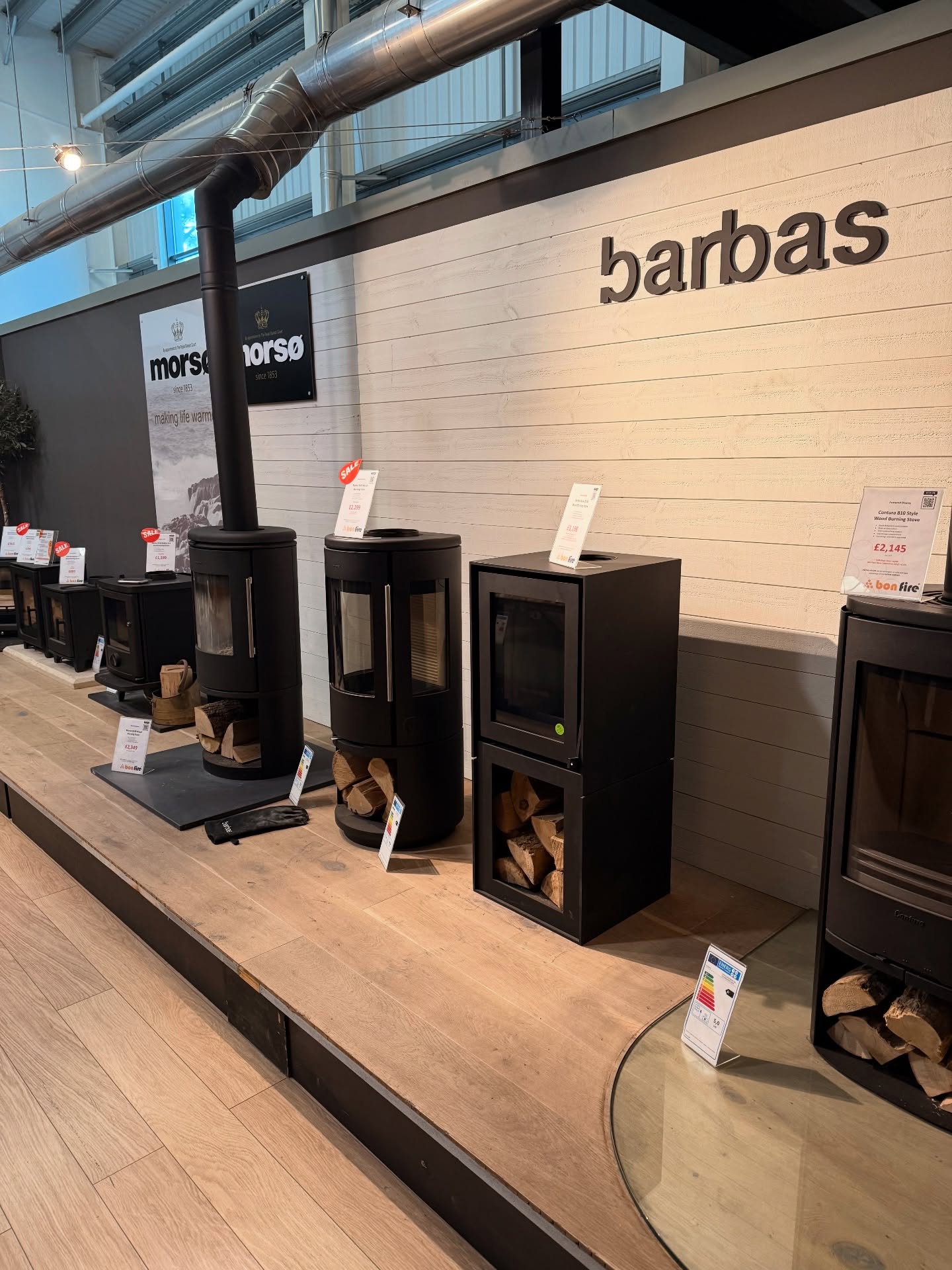
The full cost can include:
- Stove
- Register plate or closure plate
- Flue liner
- Twin wall flue system if there is no chimney
- Chimney pot, cowl or terminal
- Hearth
- Chamber lining
- Fireplace alterations
- Beam or surround
- Ventilation
- Carbon monoxide alarm
- Labour and certification
- Making good and finishing works
Example Installation Scenarios
| Scenario | Likely Complexity | Notes |
|---|---|---|
| Existing chimney in good condition | Lower to medium | Often requires liner and fireplace preparation |
| Old open fireplace conversion | Medium | May need chamber work, hearth and flue liner |
| No chimney | Higher | Usually requires a twin wall flue system |
| Stove in extension | Higher | Flue route, roofline and clearances are key |
| Stove below TV or media wall | Specialist | Heat management must be designed properly |
| Listed or period property | Specialist | Extra care around materials and permissions |
The stove is only one part of the finished fireplace. The hearth, chamber, surround and flue all need to work together, which is why our fireplace installation service looks at the full design and installation, not just the appliance.
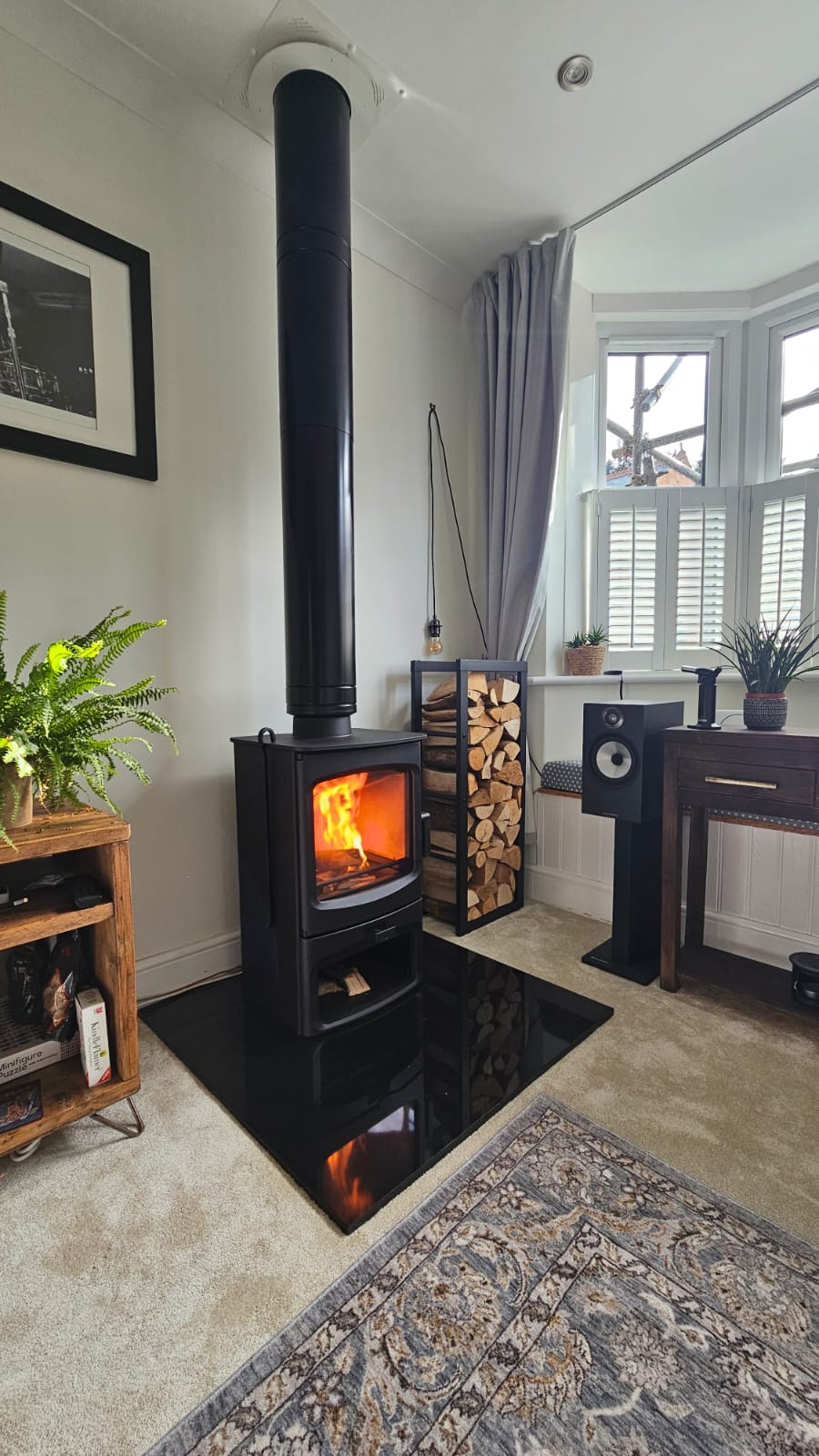
A cheap stove can become expensive if the installation is complicated. Equally, a premium stove can perform badly if it is fitted into the wrong fireplace or flue system.
6. Check the Chimney or Flue Route
A wood burning stove needs a safe route for combustion gases to leave the property.
This could be:
- An existing masonry chimney.
- A flexible flue liner inside a chimney.
- A twin wall insulated flue system.
- A purpose-designed flue route through the property or externally.
A survey should check:
- Chimney condition.
- Flue size and height.
- Draw and ventilation.
- Fireplace opening.
- Nearby combustible materials.
- Roof access and terminal position.
- Whether the chimney needs sweeping before work.
- Whether the flue can be lined safely.
If your chimney needs assessment, lining or specialist work, our sister company Chimney Flue Engineers can help with chimney, flue and ventilation requirements.
Do not assume an old chimney is automatically suitable. Many need relining, repair or adaptation before a stove can be fitted safely.
7. Use a Professional Installer
A stove is a live combustion appliance. It needs to be installed correctly.
In England and Wales, solid fuel installations are subject to Building Regulations and most work is notifiable to the local authority. A competent registered installer can usually self-certify the work, while installations carried out by a non-registered person normally need Building Control involvement. You can check the requirements in the HETAS Building Regulations guidance.
Why Professional Installation Matters
A proper installation covers:
- Correct flue sizing.
- Hearth requirements.
- Distance to combustibles.
- Ventilation.
- Smoke testing.
- Commissioning.
- Carbon monoxide alarm placement.
- Manufacturer instructions.
- Compliance certificate.
- Safe handover and user guidance.
The certificate can be important for home insurance and when selling the property.
8. Think About Style and Design
A wood burning stove should suit both the property and the way the room is used.
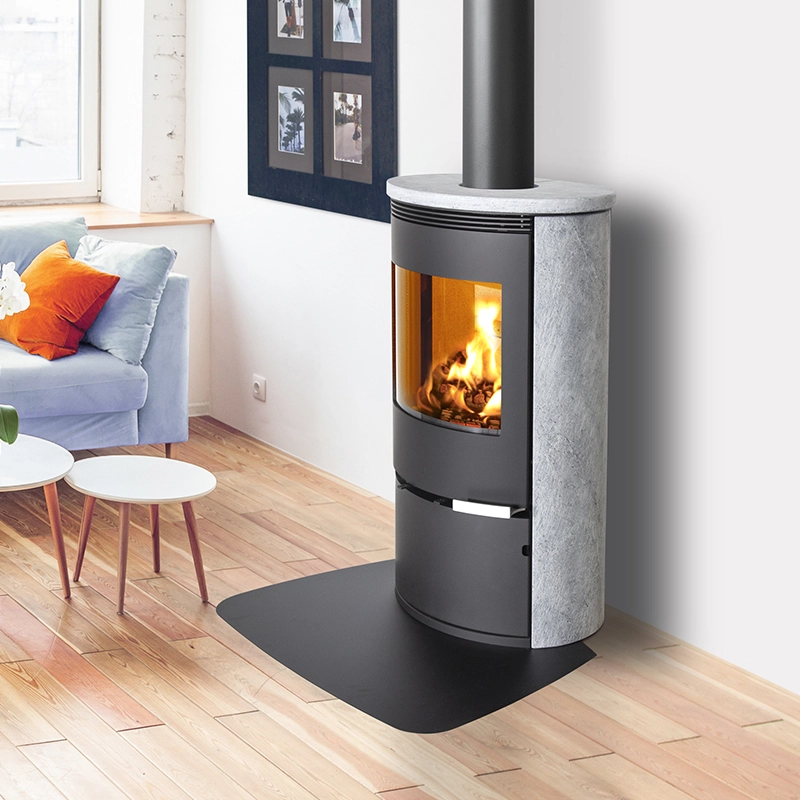
Popular Stove Styles
| Style | Best For | Things to Consider |
|---|---|---|
| Freestanding stove | Modern and traditional rooms | Needs suitable hearth and clearances |
| Inset stove | Cleaner fireplace opening | Works well in existing chimney breasts |
| Tall cylindrical stove | Contemporary interiors | Often suits open-plan spaces |
| Stove on bench | Architectural look | Heat shielding and clearances matter |
| Double-sided stove | Dividing two spaces | More complex installation |
| Wall-hung stove | Modern homes | Needs careful structural and flue planning |
If you prefer a more architectural, contemporary stove, Stûv stoves and fireplaces are well worth viewing in person.
Traditional vs Contemporary
A period cottage may suit a classic cast iron stove. A modern extension may suit a cleaner Scandinavian or architectural design. There is no single best style; it depends on the room, fireplace and finish.
If you are planning a full fireplace feature rather than just the stove itself, you can also explore our fireplaces, including traditional, contemporary and bespoke options.
At Bonfire, this is usually where showroom visits help. Seeing the proportions, door mechanisms, handles, glass size and finish quality in person makes the decision much easier.
You can also visit our Reading showroom to compare wood burning stoves, fireplace finishes and installation options in person.
9. Look at Build Quality, Not Just the Brand Name
A good stove should feel well made.
Look for:
- Solid door closure.
- Good quality hinges and handle.
- Clear air control.
- Strong firebox construction.
- Good glass size and airwash.
- Replaceable internal parts.
- Reliable spare parts availability.
- Clear manufacturer warranty.
- Good technical documentation.
- Proven UK support.
Cheaper appliances can look attractive online, but the difference often shows in controllability, finish, glass cleanliness, spares and long-term usability.
For Scandinavian design, strong efficiency and a wide choice of freestanding models, many customers consider Contura stoves.
10. Understand Wood Fuel
The stove is only part of the equation. The fuel matters just as much.
You should burn dry, seasoned or kiln-dried wood with a moisture content of 20% or less. The Stove Industry Association recommends using wood fuel at or below this level and looking for the Ready to Burn logo when buying logs. You can read their advice on the Stove Industry Association consumer advice page.

Why Dry Wood Matters
Wet logs can cause:
- Poor heat output.
- Blackened glass.
- More smoke.
- Tar and creosote build-up.
- Increased chimney fire risk.
- Poor stove performance.
A simple moisture meter is a useful purchase if you season your own logs.
For practical advice on getting the best performance from your stove, read our guide on how to light and use a wood burning stove correctly.
11. Consider Maintenance Before You Buy
A wood burning stove is not difficult to maintain, but it does need regular care.
You should expect to:
- Empty ash when needed.
- Clean the glass.
- Use dry wood only.
- Have the chimney swept regularly.
- Check rope seals.
- Replace fire bricks, baffles or grate parts when worn.
- Keep air vents clear.
- Have the installation inspected if performance changes.
How Often Should the Chimney Be Swept?
This depends on use and fuel quality. Many homeowners have their chimney swept at least once a year. If the stove is used heavily through winter, more frequent sweeping may be sensible.
Ask your installer or chimney sweep what is right for your appliance and usage.
12. Know the Common Buying Mistakes
Mistake 1: Buying Too Large
A large stove is not always better. Oversized stoves are often run too low, which can cause poor combustion, dirty glass and more deposits in the flue.
Mistake 2: Choosing on Price Alone
The cheapest stove may not be the cheapest long-term choice if it has poor control, limited spares or does not suit the installation.
Mistake 3: Ignoring the Flue
A good stove connected to a poor flue will not perform properly.
Mistake 4: Forgetting Clearances
Beams, plasterboard, timber surrounds, furniture and TVs all need consideration. Heat shields and correct distances may be required.
Mistake 5: Assuming All Stoves Are Smoke Control Approved
They are not. Check the appliance approval before buying.
Mistake 6: Not Seeing the Stove in Person
Online images rarely show scale, finish quality, handle feel or how the door operates.
13. Wood Burning Stove vs Multi-Fuel Stove
Some stoves are designed for wood only. Others are multi-fuel, meaning they can burn authorised smokeless fuels as well as logs, depending on the appliance and local rules.
| Option | Pros | Cons |
|---|---|---|
| Wood burning stove | Excellent for logs, often simple to use, strong flame picture | Only suitable for wood fuel |
| Multi-fuel stove | More fuel flexibility | Grate systems may not always be ideal if you only burn wood |
| Electric fire | Easy installation, no flue, low maintenance | Not a real flame or solid fuel heat |
| Gas stove/fire | Convenient, controllable, realistic flame options | Requires gas supply and Gas Safe installation |
| Bioethanol fire | No chimney needed, good for design-led spaces | More decorative heat source, fuel cost to consider |
For most homeowners wanting a real log fire, a dedicated wood burning stove or high quality multi fuel stove can both work well. The right answer depends on how you plan to use it.
If you want real flame with easier day-to-day control, a gas fire may be a better option than a wood burning stove.
If you want a simpler installation without a chimney or flue, our range of electric fires may be worth considering.
For design-led spaces where a chimney or flue is not practical, bioethanol fires can offer a real flame without a traditional flue system.
14. Suitability by Property Type
Period Cottage
Often suits a traditional stove, but fireplace dimensions, beams, old brickwork and chimney condition need careful checking.
Victorian or Edwardian House
Usually a good candidate if the chimney is suitable. Many installations involve opening up the fireplace, lining the chimney and fitting a new hearth.
Modern Extension
Possible, but usually needs a twin wall flue system. Design, roof route and heat output need early planning.
New-Build Home
Can work, but airtightness, ventilation and heat output are critical. A smaller output stove may be more suitable than expected.
Open-Plan Kitchen Living Space
Needs careful sizing. A stove can create a strong focal point, but the flue route, heat spread and furniture layout all matter.
London or Urban Property
Check smoke control rules carefully. A DEFRA exempt appliance and correct fuel are essential where smoke control applies.
15. How Much Does a Wood Burning Stove Cost in the UK?
In the UK, a wood burning stove typically costs from around £550 to £1,000 for a budget model, £1,000 to £1,800 for a good mid-range stove, and £1,800+ for a premium stove. Premium models usually offer better build quality, cleaner design, higher end materials, improved efficiency, longer warranties and more refined detailing. Installation, flue systems, hearths and building work are priced separately and can vary significantly depending on the property.
But costs vary widely because every property is different.
The total price depends on:
- Stove brand and model.
- Heat output.
- Fireplace work.
- Hearth choice.
- Flue liner or twin wall flue.
- Chimney access.
- Scaffolding requirements.
- Finishing materials.
- Labour and certification.
Typical Cost Factors
| Cost Item | What Affects It |
|---|---|
| Stove | Brand, size, style, finish, output |
| Flue liner | Chimney height, diameter, access |
| Twin wall flue | Route, height, bends, roof type |
| Hearth | Material, size, bespoke work |
| Fireplace chamber | Brick, board, stone, slips |
| Installation labour | Complexity and site conditions |
| Extras | CO alarm, cowls, ventilation, making good |
A proper estimate should include the stove and the installation requirements, not just the appliance.
16. Questions to Ask Before Buying
Before placing an order, ask:
- Is this stove the right kW output for my room?
- Is it DEFRA exempt if I am in a smoke control area?
- Is it Ecodesign compliant?
- Can it be installed with my existing chimney?
- Do I need a flue liner?
- Do I need a twin wall flue system?
- What hearth is required?
- Are there any combustible materials nearby?
- Will ventilation be needed?
- Is the installation notifiable?
- Will I receive a compliance certificate?
- What fuel should I burn?
- What maintenance will it need?
- Are spare parts available?
- Can I view the stove before ordering?
17. When Should You Book a Survey?
You should book a survey before committing to a final installation if:
- You are unsure about the chimney.
- The fireplace needs opening up.
- You have a timber beam.
- You want a stove in a new position.
- You do not have a chimney.
- You are planning a renovation.
- You want a stove near a TV or media wall.
- The house is listed or unusual.
- You are choosing a larger appliance.
- You want a double-sided or inset stove.
If you would like advice on the full process, from choosing the right stove through to survey, supply and fitting, visit our wood burning stove installation page.
To find out what is possible in your home, you can request a free no-obligation estimate from our team.
To see how the process can look in a real home, view our Stûv 16/58 Cube stove installation in Basingstoke.
A survey helps avoid expensive mistakes and confirms what is actually possible.
18. What Makes a Good Wood Burning Stove?
A good stove is not just the one with the highest efficiency figure or the biggest glass window.
A good wood burning stove should be:
- Correctly sized.
- Easy to control.
- Suitable for your flue.
- Efficient in real use.
- DEFRA exempt where required.
- Ecodesign compliant.
- Well supported by the manufacturer.
- Safe to install in your chosen position.
- Suitable for your home’s style.
- Backed by good advice and aftercare.
The best stove is the one that works properly in your property.
If you are still comparing models, you can browse our range of wood burning stoves to see different styles, outputs and designs available.
19. Buying a Wood Burning Stove in Reading, Berkshire and the South
If you are buying a wood burning stove in Reading, Berkshire, Hampshire, Surrey, Oxfordshire, London, Basingstoke or Newbury, local installation knowledge matters.
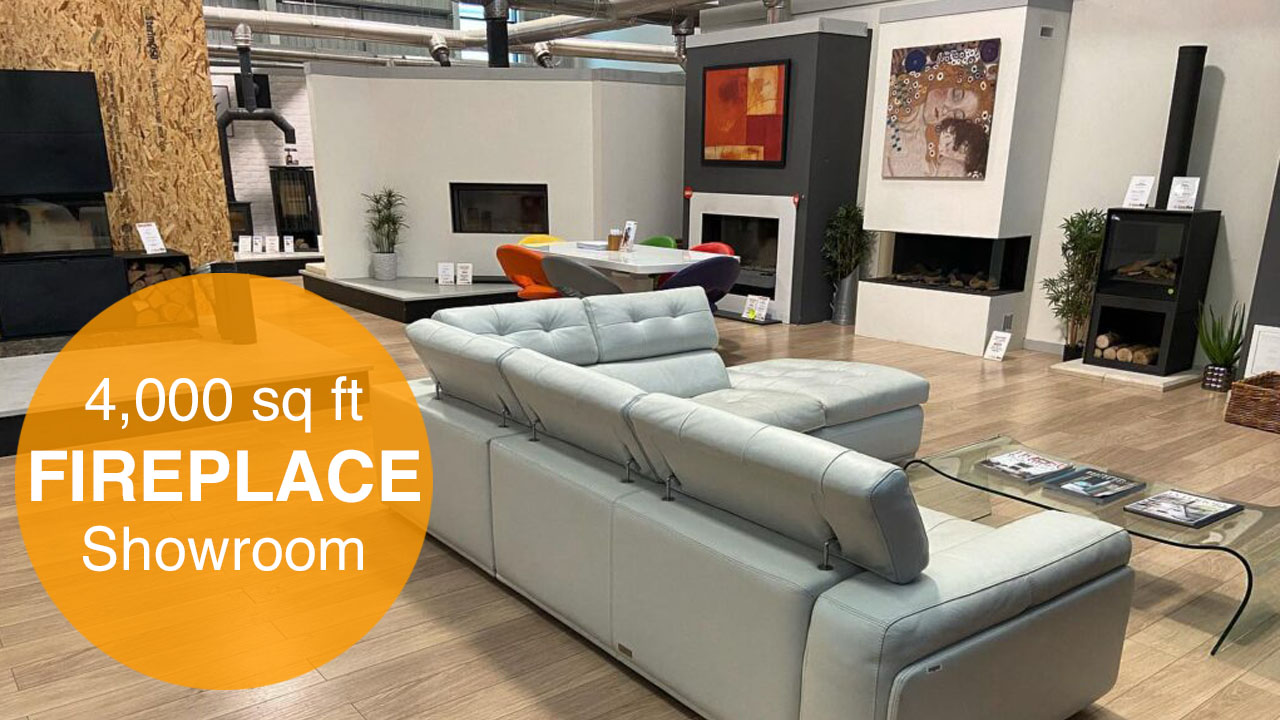
Homes across these areas vary massively, from older cottages and Victorian terraces to modern extensions and larger rural properties. The right stove and flue solution for one home may be completely wrong for another.
Bonfire supplies and installs wood burning stoves, fireplaces, gas fires, electric fires, bioethanol fires, flues and chimneys. Our team can help with product choice, fireplace design, surveys, supply, installation and aftercare.
You can visit our showroom near Reading to view stove options in person, compare styles and speak to the team about what may work in your home.
Conclusion: What Should You Look for When Buying a Wood Burning Stove in the UK?
When buying a wood burning stove in the UK, look beyond the brochure image. The best stove for your home should be the right size, legally suitable for your area, efficient, well built, safe to install and matched to your chimney or flue system.
Check whether you need a DEFRA exempt stove, choose an Ecodesign compliant model, think carefully about heat output and make sure the installation is handled properly. A professional survey is the best way to confirm what will work in your home.
If you are planning a wood burning stove installation, Bonfire can help with advice, product selection, supply and installation.
Request a free no-obligation estimate, visit our Reading showroom or speak to the team about the best wood burning stove for your home.
Planning a Wood Burning Stove Installation?
Bonfire can help with product advice, survey, supply and professional installation across Reading, Berkshire, Hampshire, Surrey, Oxfordshire and London.
Request a free no-obligation estimate or visit our Reading showroom to speak to the team.
FAQ
The best wood burning stove depends on your room size, property type, chimney or flue route, style preference and whether you live in a smoke control area. Look for a well-built, Ecodesign compliant stove with the right heat output and DEFRA exemption where required.
You need a DEFRA exempt appliance if you want to burn wood in a smoke control area. Many towns and cities in the UK have smoke control rules, so it is worth checking before buying.
No. Wood burning stoves are not banned in the UK, but their sale, installation and use are regulated. You need to follow smoke control rules, use suitable fuel and ensure the installation complies with Building Regulations.
Many average UK living rooms suit a 5kW stove, but this is not a universal answer. The correct size depends on room volume, insulation, layout and the property. A survey is recommended before making a final choice.
Yes, in many cases. A twin wall insulated flue system can often be used where there is no existing chimney. The route, roofline, clearances and appearance all need careful planning.
Using a HETAS registered installer is a common route because they can self-certify eligible solid fuel work. If you do not use a registered competent person, Building Control may need to inspect and sign off the installation.
Yes. HETAS advises that all log burner and multi-fuel stove installations must have a working carbon monoxide alarm appropriately placed in the room.
Use dry, seasoned or kiln-dried wood with a moisture content of 20% or less. Avoid wet or treated wood.
Many homeowners have the chimney swept at least once a year, but heavy users may need more frequent sweeping. Your installer or sweep can advise based on your appliance and usage.
It depends on what you want. A wood burning stove gives real flame, strong heat and atmosphere, but it needs fuel storage and maintenance. Gas and electric fires are more convenient and easier to control, but they offer a different experience.