Yes, you can have a wood burning stove with an air source heat pump. Provided both installations are suitable for the property and meet the relevant requirements, the two can work alongside one another.
An air to water heat pump usually supplies the home’s central heating and hot water, while a conventional log burner provides supplementary heat in the room where it is fitted. The important considerations are stove sizing, adequate combustion air, a suitable chimney or flue, and heating controls that continue to serve the rest of the house properly.
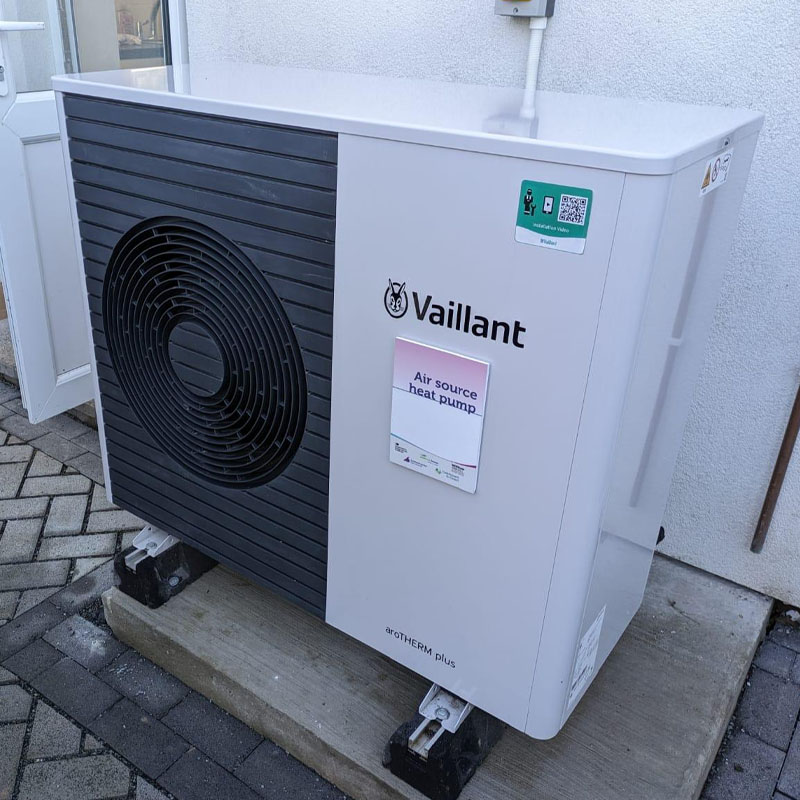
If you’re considering an air source heat pump, you may be wondering what happens to your existing fireplace. Or perhaps your heat pump already keeps the house comfortable, but you would still like the warmth and character of a real fire in the living room.
At Bonfire, we specialise in specifying and installing stoves, rather than heat pumps. This guide explains where the two systems complement each other, where they do not, and what to discuss with your stove installer and heat pump engineer before making a decision. If you’re still deciding between the technologies, read our separate wood burning stove versus air source heat pump comparison.
Estimated reading time: 22 minutes
Table of contents
- Can You Have a Wood Burning Stove with an Air Source Heat Pump?
- Why Combine a Wood Burner and an Air Source Heat Pump?
- Can a Wood Burning Stove Reduce Heat Pump Running Costs?
- Do You Still Need a Log Burner If You Have a Heat Pump?
- Can You Keep Your Existing Wood Burner When Installing a Heat Pump?
- Will a Wood Burner Affect Heat Pump Efficiency?
- Best Wood Burning Stoves for Homes with Heat Pumps
- What Happens to a Heat Pump During a Power Cut?
- Wood Burning Stoves, Heat Pumps and UK Building Regulations
- Are Wood Burning Stoves Environmentally Friendly Compared with Heat Pumps?
- Which Homes Benefit Most from Having Both?
- Frequently Asked Questions
- Choosing the Right Wood Burning Stove with Bonfire
Can You Have a Wood Burning Stove with an Air Source Heat Pump?
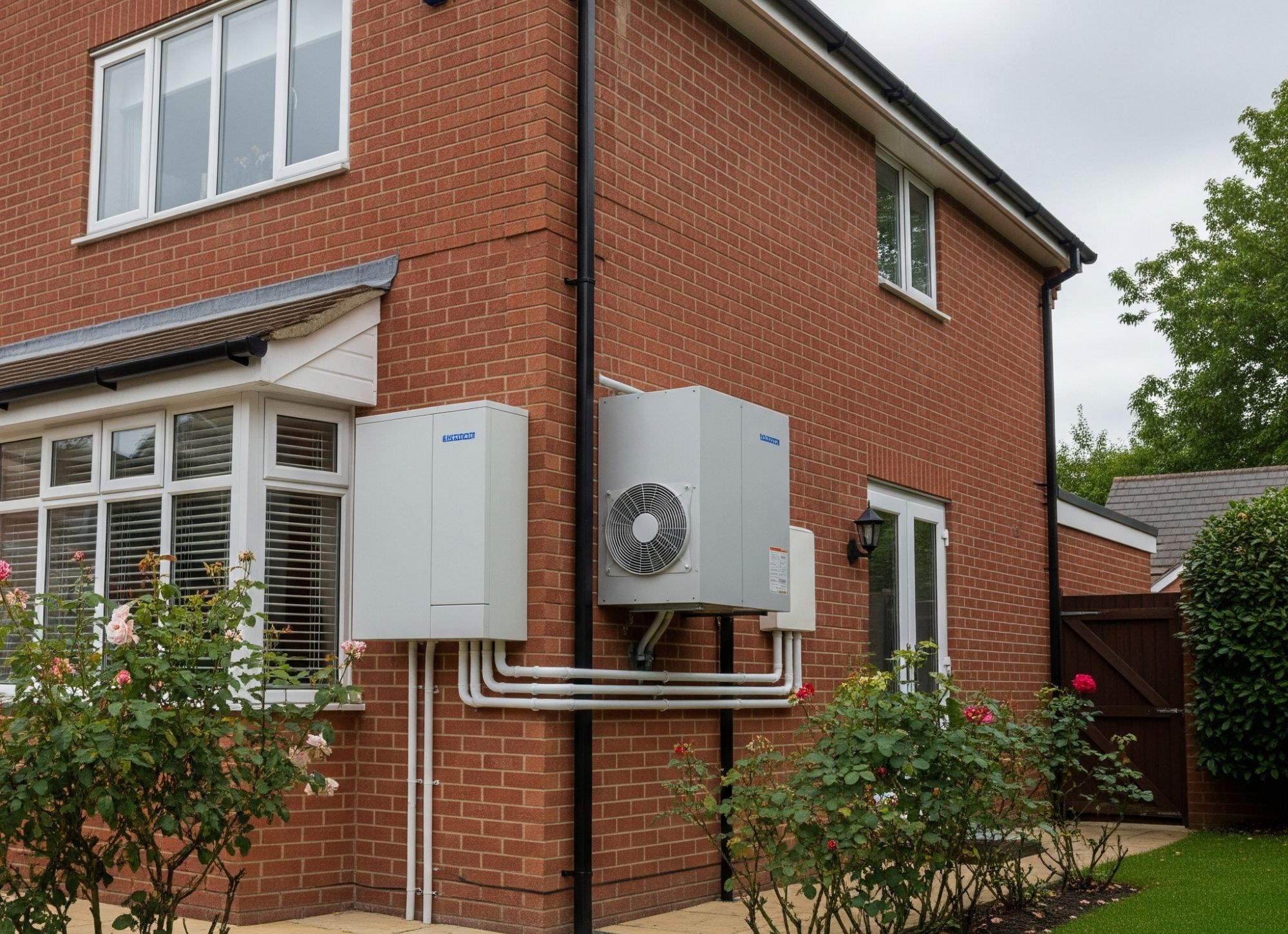
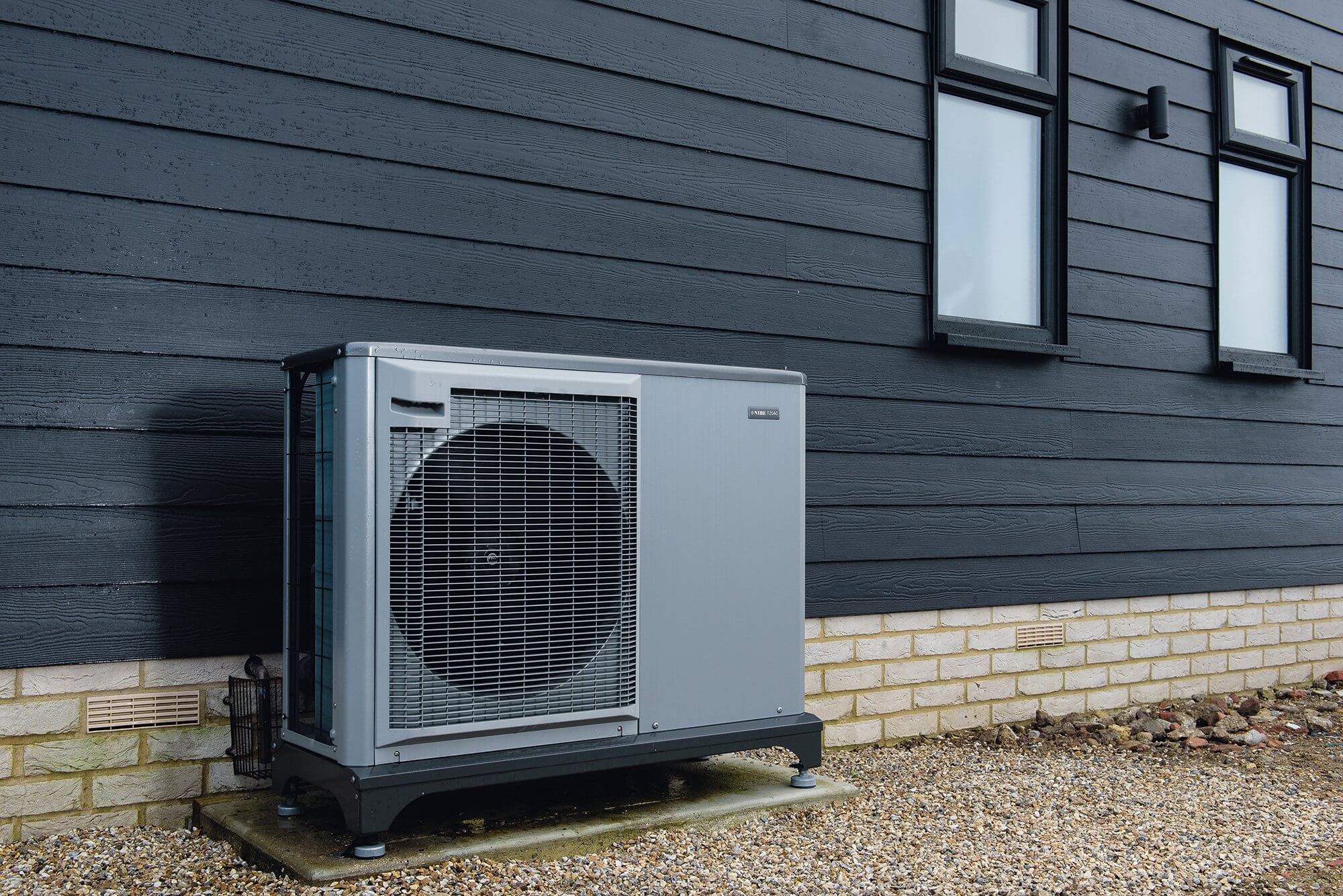
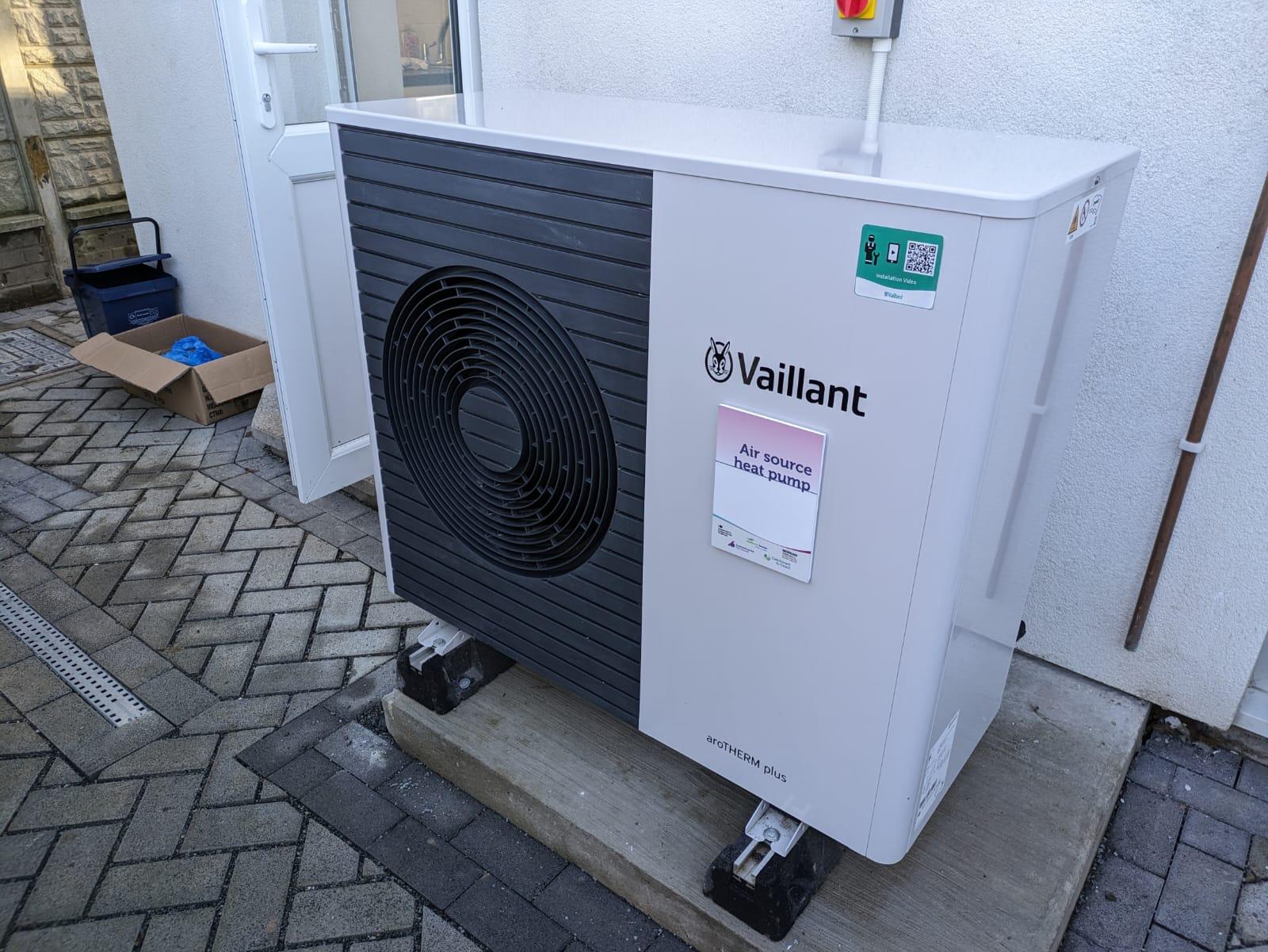
Yes. They normally have different jobs. A typical air to water heat pump extracts heat from outside air and transfers it to water circulating through radiators or underfloor heating; it may also heat a domestic hot water cylinder. A conventional wood burning stove burns logs and releases heat directly into its room. It does not normally supply central heating or domestic hot water.
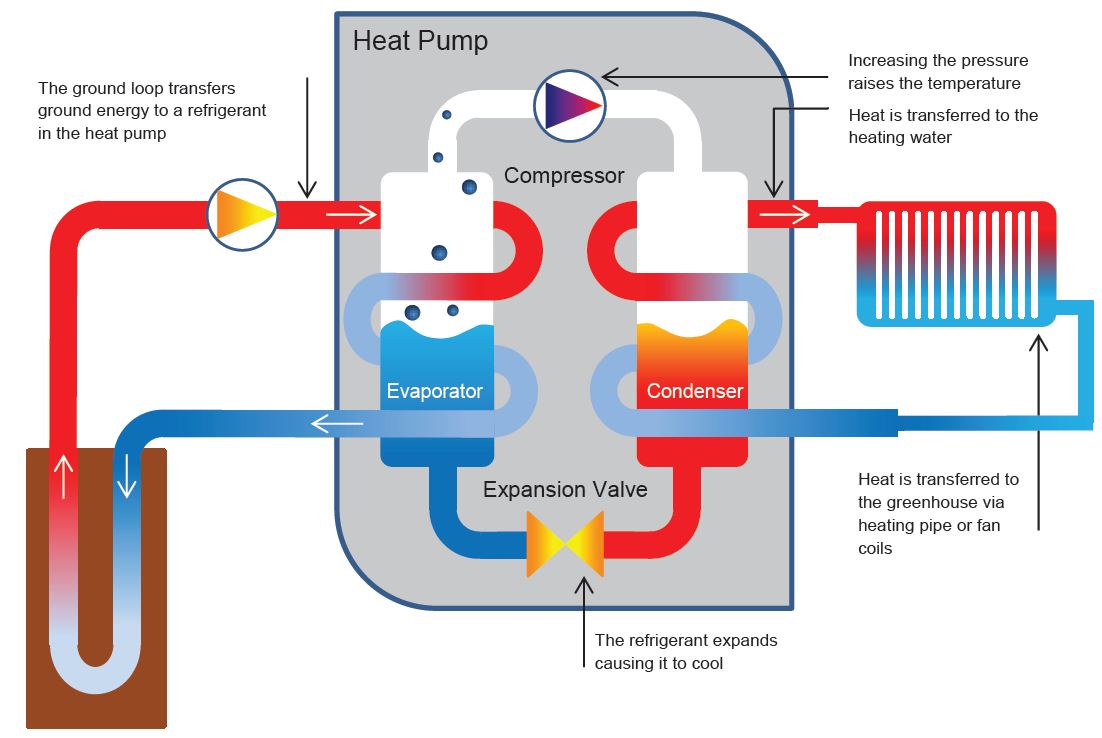
Image: © NFU Energy. Source: Agriculture and Horticulture Development Board (AHDB) .
This distinction matters. A heat pump can maintain comfortable temperatures throughout the home while a stove creates additional warmth in one frequently used space. The stove should not be used to disguise an inadequately designed heat pump system.
| Question | Air to water heat pump | Conventional room heating wood stove |
|---|---|---|
| Main role | Whole home central heating; normally hot water too | Localised room heating |
| Energy source | Electricity plus heat extracted from outside air | Dry logs |
| Control | Automated; typically designed for steady operation | Fuel loading and manual air control, depending on model |
| Combustion emissions at home | None from the heat pump itself | Smoke and particulate emissions through the flue |
| Power cut | Cannot operate without electricity | Some non electric models can provide room heat |
| Main installation checks | Heat loss, emitters, flow temperature, controls | Room heat demand, flue, air supply, clearances, hearth |
What does the Boiler Upgrade Scheme allow?
For qualifying installations in England and Wales , Ofgem’s Boiler Upgrade Scheme Installer Guidance V5.2 , issued in November 2026, explicitly lists wood burning stoves among components that may be retained. Its rules also permit qualifying non fossil fuel supplementary heating alongside BUS funded heat pumps. Crucially, the heat pump must have sufficient thermal capacity to meet 100% of the property’s space heating demand on its own . The overall system must also meet the applicable hot water requirements.
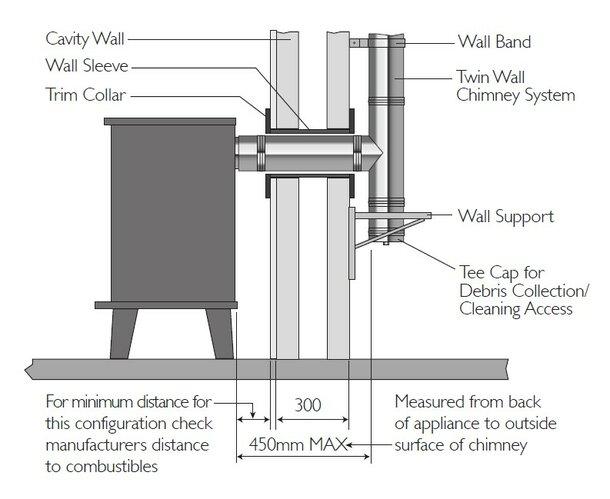
Grant approval is not automatic: the MCS certified heat pump installer is responsible for assessing and documenting eligibility and the proposed arrangement. A stove itself is not funded by the heat pump grant. Fossil fuel boiler hybrids remain ineligible under the scheme. See Ofgem’s current BUS guidance .
Why Combine a Wood Burner and an Air Source Heat Pump?
There are perfectly reasonable reasons to want both, even when the heat pump can heat the entire property without help.
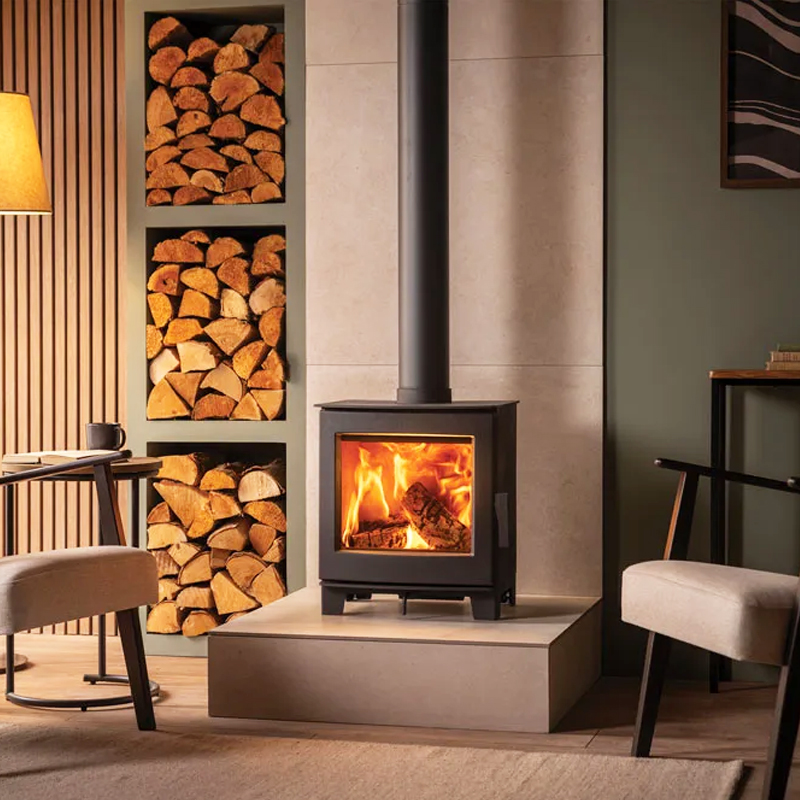
A stove offers a view of real flames and a concentrated, radiant feeling of warmth that is different from a radiator or underfloor heating. Some households enjoy lighting a fire in the sitting room on occasional winter evenings, while leaving the heat pump to look after bedrooms, hallways and the rest of the house. Owners of cottages and period properties may also want to retain a working fireplace as part of the room’s character.

A conventional stove that needs no mains electricity may offer useful local heating during a power cut. But it is not automatically an emergency whole house heating solution, and some stoves and installations rely on powered components.
The trade offs are equally real: logs cost money, take up storage space and need handling; stoves require chimney sweeping and maintenance; there are installation and fire safety considerations; and wood burning creates air pollution. A home already kept comfortable by its heat pump may gain little practical heating benefit from adding a stove.
If a fire is something you would genuinely use, you can browse Bonfire’s wood burning stoves to understand the range of designs and heat outputs available.
Can a Wood Burning Stove Reduce Heat Pump Running Costs?
Possibly, but not automatically. The calculation depends on the price of electricity, the actual performance of the heat pump, the delivered cost and moisture content of the logs, and whether heat from the stove genuinely displaces heating that the heat pump would otherwise supply.
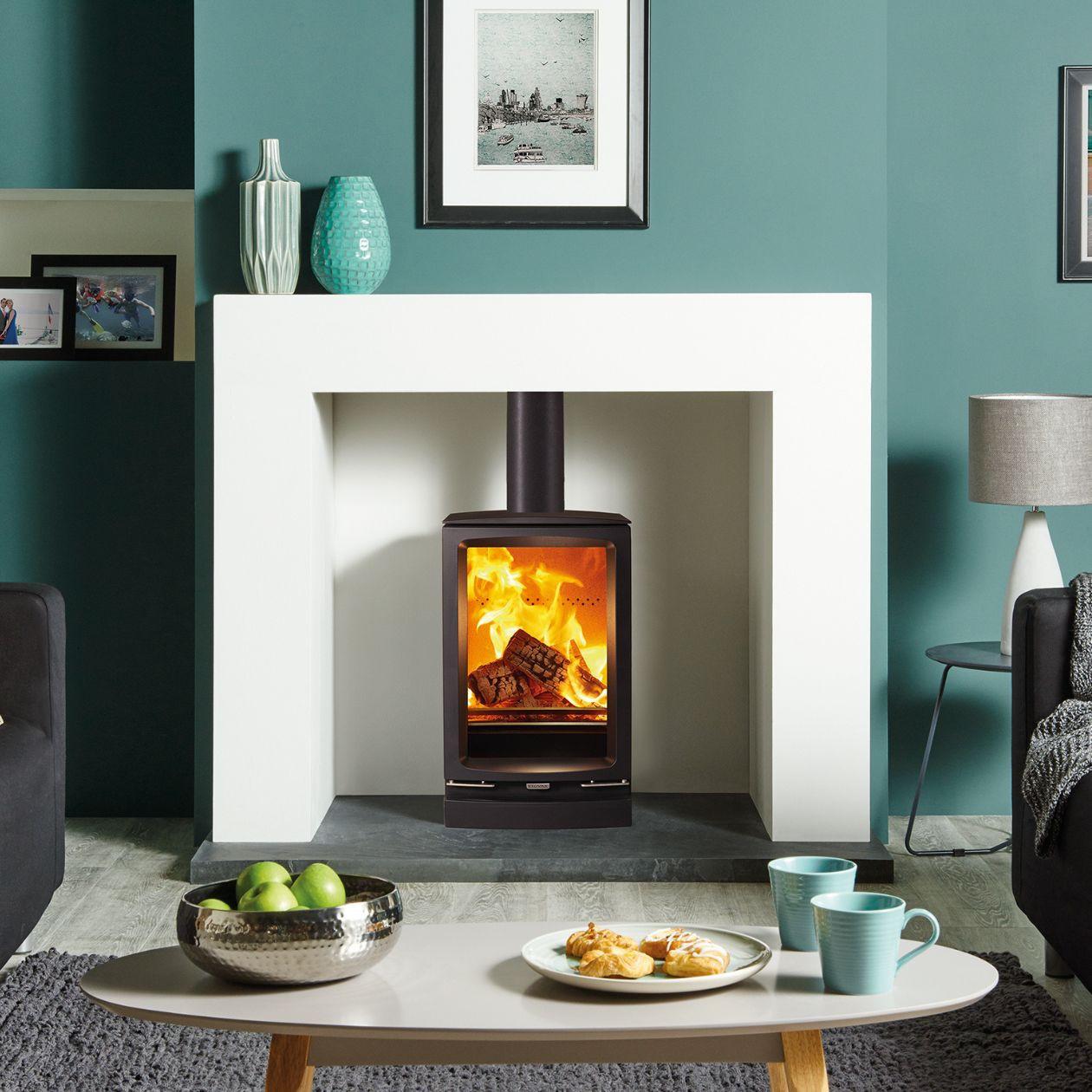
Compare the cost of useful heat, not just the price of fuel
A heat pump’s coefficient of performance (COP) describes useful heat delivered per unit of electricity at particular conditions. Seasonal COP (SCOP) is a measure across a wider range of conditions. For example, an assumed SCOP of 3 means approximately 3kWh of useful heat per 1kWh of electricity over the period represented.
A stove’s efficiency is different: it measures the proportion of the logs’ fuel energy transferred as useful heat. Neither number tells you what a household will pay until the unit costs are included.
Heat pump useful heat cost (p/kWh) = electricity price (p/kWh) ÷ achieved COP or SCOP.
Wood stove useful heat cost (p/kWh) = log price (p/kg) ÷ [fuel energy (kWh/kg) × stove efficiency].
Worked example: November 2026
Ofgem’s average electricity unit rate for Direct Debit customers covered by the price cap in England, Scotland and Wales is 26.32p/kWh for 1 October–31 December 2026 . Your actual tariff may differ. Forest Research gives 4.1kWh/kg as the approximate net energy content of air dry logs at 20% moisture.
For illustration only, assume a heat pump achieves SCOP 3, a stove delivers 80% efficiency and purchased dry logs cost 45p/kg . That log price is a hypothetical assumption, not an observed national firewood price. The example excludes standing charges, delivery charges, maintenance and capital costs.
| Example input or result | Air source heat pump | Wood burning stove |
|---|---|---|
| Purchased energy price | 26.32p/kWh electricity (Ofgem, Oct–Dec 2026) | 45p/kg logs (illustrative assumption) |
| Performance assumption | SCOP 3.0 | 80% efficiency |
| Fuel energy | 1kWh electricity per kWh purchased | 4.1kWh/kg (20% moisture logs) |
| Calculated cost per useful kWh | 8.77p | 13.72p |
| Theoretical cost of 10kWh useful heat | £0.88 | £1.37 |
The arithmetic is 26.32 ÷ 3 = 8.77p per useful kWh for the heat pump. For the stove: 45 ÷ (4.1 × 0.80) = 13.72p per useful kWh. Sources: Ofgem electricity unit rates and Forest Research calorific values.
In this example, the heat pump has the lower variable energy cost. Different tariffs, measured heat pump performance or real log prices could change that conclusion. At the same illustrative assumptions, logs would need to cost roughly 29p/kg or less to match the heat pump’s calculated variable heat cost. That is a calculation, not a recommendation to buy logs at any particular price.
Why real bills may not follow the table
Suppose the stove warms a living room, but the heat pump continues heating other rooms as before. Your electricity consumption might fall a little, but not by an amount equal to every kilowatt hour the stove generates. If the stove overheats the room, some heat may simply be unwanted. If a central thermostat responds to the stove by shutting off heating for distant rooms, their comfort may suffer.
The cost comparison also changes with time of use electricity tariffs, colder weather COP, log delivery quantities, wood moisture, stove operation and how much of the stove’s output is actually useful. A stove purchased mainly for occasional atmosphere is particularly unlikely to repay its installation cost through fuel savings alone.
Ownership costs matter too: include the stove, hearth and flue installation, annual servicing where applicable, chimney sweeping, maintenance, suitable log storage and your time. Heat pumps have their own installation, servicing and maintenance costs. Comparing fuel costs alone is not a whole life financial assessment.
Do You Still Need a Log Burner If You Have a Heat Pump?
No. A properly designed heat pump should be capable of supplying the home’s intended heating demand without a stove. Under BUS rules, the required heat pump capacity must meet the property’s full space heating demand independently of supplementary appliances.
You may still want a stove for the appearance of a real fire, occasional localised warmth, a retained period fireplace or some resilience when mains power is unavailable. If you rarely light fires, have nowhere suitable to store wood, or are concerned about local air quality, relying on the heat pump alone may be the better choice.
If you are using a stove every day because the heat pump leaves rooms cold, ask the heat pump installer to investigate heat loss assumptions, controls, radiator sizing and system operation instead of assuming an additional stove is the solution.
Can You Keep Your Existing Wood Burner When Installing a Heat Pump?
Often, yes. For an ordinary, separate room heating stove, there is usually no need to remove it just because the central heating changes. Under the current BUS provisions, retaining a wood burning stove is expressly contemplated, subject to the wider conditions explained above.
Before work starts, tell the heat pump installer that the stove is staying. Ask them to check whether the proposed thermostat location, heating zones or radiator arrangements will be affected when the fire is lit. The stove itself should also be assessed if it has not been serviced or used recently: chimney condition, liner suitability, air supply, clearances and carbon monoxide alarm provision remain important.
A new stove installed later is a separate building project requiring the relevant approvals and safe installation. If a stove has a back boiler or is connected to water based heating, do not assume it can simply be retained or connected to the new heat pump circuit; that needs specialist system design and a specific BUS eligibility assessment.
Will a Wood Burner Affect Heat Pump Efficiency?
The stove does not directly change the heat pump’s rated efficiency, but it can change how the heating system operates .
Imagine a living room containing both a wood stove and the main thermostat. When the fire is lit, that room warms up quickly. Depending on the control arrangement, the thermostat may stop calling for central heating even though rooms further away still need heat. With suitable zoning or room sensing, the impact can be different.
Heat pumps often work most efficiently when they can supply steady, appropriately low temperature heat. Frequent changes, inappropriate setbacks or unnecessarily high flow temperatures may undermine the intended design. Energy Saving Trust recommends discussing unfamiliar control settings with the heat pump installer rather than adjusting technical settings without understanding them.
Practical point: show both installers where the stove will sit, where room sensors are positioned and which rooms form part of each heating zone. The heat pump professional should decide how the controls should respond to supplementary warmth. There is no universal thermostat setting that is right for every combination.
Best Wood Burning Stoves for Homes with Heat Pumps
The best stove is the one whose useful heat output suits the room , not simply one marketed as compatible with heat pumps. A well insulated living room can need surprisingly little additional heat, especially when its radiator or underfloor heating is already maintaining the background temperature. A nominally 5kW stove could make such a room uncomfortable.
Before choosing a model, consider the room’s calculated heat requirement, glazing and insulation, how open the space is to adjoining rooms, and whether the stove is intended for occasional fires or regular supplementary heat. Also consider the manufacturer’s permitted operating range, efficiency, flue and hearth requirements, clearances from combustible materials, and compatibility with any external air supply.
A dedicated external combustion air connection can be helpful in a tightly sealed building where the appliance and installation are designed for it. An outside air connection does not, by itself, prove that a stove is room sealed. Mechanical extract fans and mechanical ventilation with heat recovery (MVHR) may need particular attention; read Bonfire’s guide to installing stoves with MVHR .
Three Bonfire stove models worth comparing
The following models have live Bonfire product pages with published nominal outputs. They are examples for shortlisting, not a claim that any one is suitable for your home .
| Model and verified product page | Nominal output | Why it may be worth considering |
|---|---|---|
| Charnwood Aire 3 Low Stand Wood Burning Stove | 3.7kW | Compact contemporary option for a room with a relatively modest additional heat requirement; Bonfire lists 86% efficiency, Ecodesign compliance and Defra exemption. |
| ACR Woodpecker WP4 Wood Burning Stove | 4.3kW | Compact cast iron design; Bonfire lists Ecodesign compliance and Defra approval. A direct air kit is described as an option, subject to checking the installation specification. |
| Contura 110 Wood Burning Stove | 5.0kW | Small physical footprint and contemporary styling, but the greater output needs particular care in well insulated rooms; Bonfire lists Ecodesign compliance and Defra approval. |


For a wider selection see small wood burning stoves . Bonfire’s stove output calculator is a useful first estimate, but it does not replace a room specific heat loss assessment. Avoid choosing solely by room dimensions or assuming every home with a heat pump needs a 3kW or 5kW appliance.
For a project involving a modern heating system, our team can discuss stove output, the fireplace opening, a suitable flue and installation options before recommending a model. We do not design or certify the heat pump controls; those decisions belong with the heat pump installer.
What Happens to a Heat Pump During a Power Cut?
An air source heat pump needs electrical power for its compressor, circulation and controls, so it will not continue operating normally during a mains electricity outage.
A conventional non electric wood stove , with a suitable safe flue installation, may still produce heat in the room without mains electricity. That can be useful where outages occur, but it will not automatically keep bedrooms warm or provide running water and hot water.
Do not assume this applies to every wood burning appliance. Some pellet stoves, boiler stoves, fan assisted appliances or installations with electrically powered chimney equipment depend on electricity to operate safely. Check the exact manufacturer’s instructions and ask the installer what happens during a power cut. Never bypass powered safety components.
Keep working smoke and carbon monoxide alarms, follow the appliance instructions, burn only the specified fuel and keep combustible items away from the stove. Choose alarms and any power backup arrangements suitable for a loss of mains electricity.
Wood Burning Stoves, Heat Pumps and UK Building Regulations
Installing a heat pump does not remove the normal legal requirements for a stove or chimney.
In England , Building Regulations Approved Document J provides guidance on combustion air, flues, protection against fire, hearths and carbon monoxide alarms. Applicable requirements also depend on the property, product instructions and other building rules. Many stove installations are notifiable building work; an appropriately registered competent person installer can self certify eligible work, or the relevant building control route must be followed.
A qualified installer should check, among other things, whether the existing chimney is sound and suitable, whether a new liner or insulated twin wall flue is required, whether ventilation is sufficient, and whether the stove and connecting flue have the correct clearances to combustible materials. The hearth must also be suitable for the appliance and surroundings. An appropriate carbon monoxide alarm is required with new solid fuel appliance installations in England.
Ecodesign and Smoke Control Areas are different requirements
Ecodesign sets product requirements for newer solid fuel room heaters, including efficiency and emissions limits. Defra exemption concerns permission to burn specified otherwise unauthorised fuels, such as wood, in a Smoke Control Area, subject to the particular appliance’s exemption and conditions. One label does not automatically replace the other. See HETAS’s Ecodesign and Defra explanation.
In a Smoke Control Area, confirm the local restrictions and the appliance’s actual exemption before burning wood. GOV.UK explains the smoke control rules. In England, small volumes of wood sold for domestic use must be Ready to Burn certified, which means a moisture content of 20% or less; the rules for larger volume sales differ.
Across the UK, the details are not identical. Wales publishes its own Approved Document J; Scotland uses its domestic building standards and technical handbooks; Northern Ireland has a separate building regulations system. Smoke control rules and enforcement also vary. The Boiler Upgrade Scheme discussed here applies to England and Wales , not as a universal UK grant. For a project outside England, check the correct national and local requirements with an appropriately qualified installer.
Are Wood Burning Stoves Environmentally Friendly Compared with Heat Pumps?
They have different environmental impacts, and these should not be confused.
A heat pump produces no combustion smoke at the property . Its climate impact depends partly on the electricity used and the carbon intensity of that supply, as well as the equipment and its refrigerant. A well designed heat pump can deliver multiple units of useful heat per unit of electricity, making it an important low carbon heating option.
Burning logs creates combustion emissions, including fine particulate matter (PM2.5), even in a modern Ecodesign stove. Wood’s carbon balance is also dependent on how it is grown, harvested, dried, transported and replaced. It is misleading to call every wood burner carbon neutral or pollution free.
Using properly dry fuel and a suitable, correctly operated and maintained appliance can help reduce unnecessary smoke, but it does not eliminate emissions. In densely populated places, the air quality impact on neighbours deserves particular consideration. Government air pollution guidance advises reducing domestic burning to improve air quality.
For a homeowner whose heat pump already provides adequate comfort, using the stove less frequently will generally avoid emissions that would otherwise be produced by burning logs. Choosing a stove is therefore a decision about the experience and additional local heat it provides, not evidence that it is environmentally superior to a heat pump.
Which Homes Benefit Most from Having Both?
Rural homes with an existing stove: Keeping a sound, regularly serviced stove can preserve a useful room heater and provide some independent warmth during an outage. You still need log storage and must check any power dependent components.
Renovated cottages: An existing fireplace may be an important part of the room. Check the chimney, ventilation and nearby timbers before assuming a historic opening can accept a modern stove. The heat pump must still be sized for the building’s measured heat loss.
Modern, well insulated houses: A smaller output appliance may be the only sensible option, or there may be insufficient need for one. Tight construction, extract fans and MVHR make combustion air and safe flue performance particularly important.
Large open plan living areas: A stove can create a focal point where the family spends time. But the way heat travels through connected rooms needs assessing; a large glass sided stove is not necessarily suitable simply because the floor area looks generous.
Homes with existing chimneys: A usable chimney may make the project less disruptive than installing a new external flue, but its presence alone does not prove that it is suitable. Inspection, sweeping, testing and potentially lining may be required.
Households wanting occasional extra warmth: The two systems can serve different preferences. The main drawback is paying for and maintaining a stove that might be used only a handful of times each year.
Frequently Asked Questions
Yes. A conventional room-heating stove can be used while the heat pump continues serving the house, provided both are installed safely. Be aware that the additional warmth may affect room thermostats, zoning and when the central heating calls for heat.
Generally, yes, subject to Building Regulations, flue suitability, ventilation and any property-specific restrictions. Discuss the proposed location with the heat pump installer so that room sensors and heating controls still function as intended. If the heat pump was BUS-funded, confirm any scheme-specific questions with that installer.
Current Ofgem guidance expressly lists wood-burning stoves among components that may be retained. The installation must still satisfy the scheme’s other rules, and the heat pump must meet the full space-heating demand on its own. Your MCS-certified installer should confirm eligibility for your particular project.
It might reduce or stop heating in a particular zone if the thermostat there reaches its target temperature. It may not stop heating elsewhere. The answer depends on the controls, sensors, zoning and programming, so ask the heat pump installer to explain your specific arrangement.
It can be, especially in a compact living room already warmed by central heating. But 5kW is not automatically excessive for every property. Stove output should follow the room’s actual heat requirement and the manufacturer’s permitted operating characteristics, not a blanket rule.
A suitable non-electric stove may heat its room without mains power. It does not guarantee heating throughout the house, and some appliances need electricity for fans, controls or safe operation. Check the stove and flue system’s instructions before relying on it during an outage.
Not always. Compare the cost of useful heat rather than the price per bag of logs or per unit of electricity. A well-performing heat pump may deliver inexpensive heat, while small retail bags of firewood can be costly. Actual log prices and heat pump efficiency determine the result.
Not every installation requires a direct external-air kit. The right ventilation provision depends on the appliance, building airtightness and relevant rules. Where an external-air connection is appropriate, compatibility and duct design must be checked against the manufacturer’s instructions; it is not automatically a room-sealed installation.
It can affect the information recorded about the property’s heating, but the outcome depends on the assessment methodology and whether the stove is recorded as a main or secondary heating system. Do not assume that keeping or adding a stove will improve or worsen the EPC without an assessment by an accredited energy assessor.
Potentially. A new-build’s low heat demand may make stove oversizing a particular risk, and airtightness or mechanical ventilation requires careful combustion-air planning. Building Regulations, the chimney/flue design, planning conditions where applicable and manufacturer instructions must all be satisfied.
Possibly, if the appliance is correctly exempted for burning the intended fuel and is used in accordance with its conditions. An Ecodesign label alone does not confirm Smoke Control Area suitability. Check the exemption and your local authority’s designation before buying or using the appliance.
There is no universal output. Start with the room’s heat loss, the heat already delivered by the heat pump system, the floor plan and how often you intend to light the fire. A specialist stove installer can then narrow the options, including lower-output designs where appropriate.
That is a more complicated arrangement than a stand-alone room-heating stove. Boiler stoves and water circuits require specialist hydraulic design, safety provision and an assessment of how the connection affects the heat pump and any BUS-funded installation. Do not connect the systems without qualified professional advice.
Choosing the Right Wood Burning Stove with Bonfire
A wood burning stove and an air source heat pump can make a practical combination, but neither should be selected on the assumption that the other will compensate for poor design. The heat pump should provide the everyday heating that the house needs; the stove should suit the individual room and the way you want to use it.
Bonfire is an independent, family run fireplace and stove specialist established in 2003, with a showroom in Silchester near Reading, Berkshire. Our in-house HETAS registered installation team can advise on wood stove selection, nominal heat output, existing chimneys, new flue systems, hearths and fireplace design. For heat pump sizing, certification or controls, consult your heat pump installer.
If you’re planning a stove alongside an existing or proposed heat pump, request a free, no-obligation stove installation quotation . You can also call 0118 970 1717 or email info@bonfire.co.uk to discuss your room and fireplace.
Sources and further reading
- Ofgem — Boiler Upgrade Scheme installer guidance, version 5.2 (November 2026)
- Ofgem — Energy price cap unit rates, October–December 2026
- Energy Saving Trust — Running a heat pump efficiently
- Forest Research — Typical calorific values of fuels
- GOV.UK — Approved Document J
- GOV.UK — Smoke Control Area rules
- HETAS — Ecodesign and Defra guide
- GOV.UK — Selling wood for domestic use in England
Prepared by the Bonfire team, fireplace and stove specialists since 2003. Research checked 15 November 2026. Individual installations require assessment by appropriately qualified professionals.