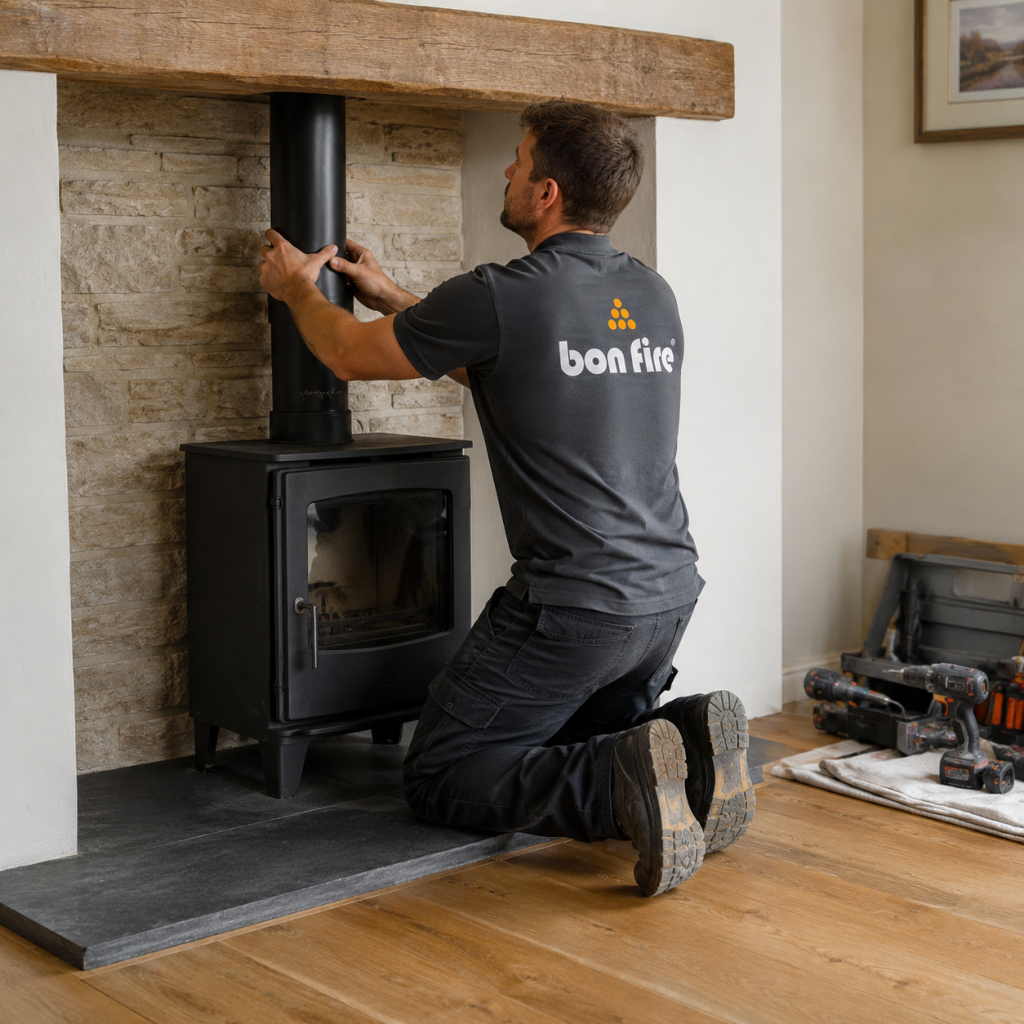
Choosing a wood burning stove is about much more than finding a model you like the look of. The right stove should suit your room, complement your home’s style, provide the correct heat output and work with your existing chimney or proposed flue system.
Get these decisions right and a stove can become the heart of your home for decades. Get them wrong and you could end up with an appliance that doesn’t perform as expected or simply doesn’t feel right in the space.
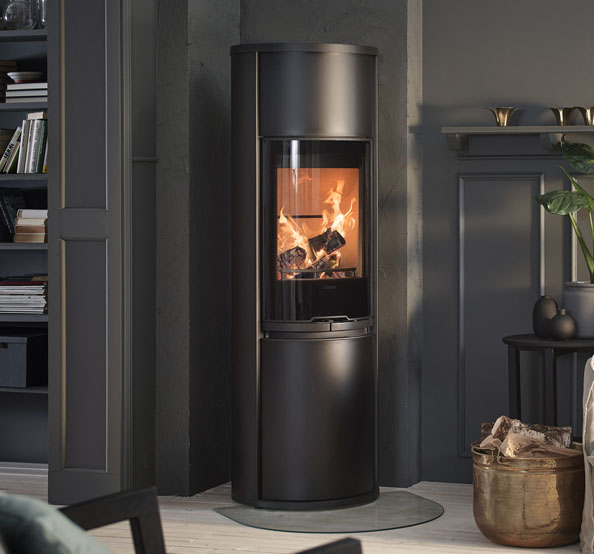
For many homeowners, Contura is one of the first premium brands they consider, and for good reason. Designed and manufactured in Sweden, Contura wood burning stoves combine clean Scandinavian styling with excellent efficiency, practical everyday usability and an extensive range of models.
Whether you’re renovating a period property, building a modern extension, replacing an older stove or installing a wood burner in a home without a chimney, there’s likely to be a Contura model designed for your project.
At Bonfire, we’ve helped homeowners choose and install wood burning stoves since 2003. Our in-house HETAS installers and surveyors regularly advise on stove sizing, chimney suitability, twin wall flue systems and fireplace design, so we understand that choosing the right appliance involves far more than comparing specifications online.
This guide explains everything you need to know before buying a Contura stove, including how the different ranges compare, which models suit different homes, installation considerations and the common mistakes to avoid.
If you’d like to explore the range while reading, browse our collection of Contura Stoves, compare our wider selection of Wood Burning Stoves, or visit our Showroom to see selected Contura models in person.
In This Guide You’ll Learn
- Which Contura stove range is right for your home.
- The differences between the 200, 300, 500, 600, 800 and 900 Series.
- Whether a freestanding or inset Contura stove is the better option.
- How to choose the correct heat output.
- Whether you need a chimney liner or twin wall flue system.
- Which Contura models we recommend for different room types.
- The most common mistakes to avoid before buying.
Estimated reading time: 28 minutes
Table of contents
- Why Choose a Contura Stove?
- Is a Contura Stove Right for You?
- How to Choose the Right Contura Stove
- Which Contura Range Should You Consider?
- Steel, Soapstone or Artstone?
- Freestanding or Inset?
- Our Advice on Choosing the Right Contura Stove
- Installing a Contura Stove: What You Need to Know Before Buying
- Twin Wall Flue Systems
- Choosing the Correct Heat Output
- External Air Supply
- DEFRA and Smoke Control Areas
- Ecodesign Explained
- Running Costs
- Servicing and Maintenance
- Why Visit a Showroom Before Buying?
- Contura Stove Buying Checklist
- Frequently Asked Questions
- Ready to Find Your Perfect Contura Stove?
Why Choose a Contura Stove?
There are several premium stove manufacturers available in the UK, including Charnwood, Stovax, Jøtul, SCAN, Morsø, Barbas and Rocal. Homeowners comparing Nordic brands can also explore our Scandinavian wood burning stoves collection to see why clean Scandinavian design has become such a popular choice for modern interiors.
Contura has developed a distinct identity by combining understated Swedish styling with efficient, practical heating. Its stoves are designed to feel refined without being overly decorative, making them suitable for contemporary spaces as well as more traditional fireplace settings.
Rather than allowing the appliance itself to dominate the room, Contura uses clean lines, balanced proportions and generous glass panels to place greater emphasis on the flames.

Seeing a Contura stove in person is often the best way to appreciate its proportions, build quality, finish and flame view. Our showroom features selected Contura models on display, giving customers the opportunity to compare different designs and discuss their installation requirements with our experienced team. You can visit our showroom or contact us for help choosing the most suitable model for your home.
Performance is equally important. Many Contura stoves are built around a nominal heat output of approximately 5kW, making them suitable for a wide range of UK living rooms. The broader range also includes larger appliances for open-plan spaces and compact models for smaller fireplace openings or restricted hearth dimensions.

What sets Contura apart isn’t one individual feature but the balance between aesthetics, efficiency and practicality. Customers often choose the brand because they want a stove that’s enjoyable to use every day, not simply one that looks impressive in a brochure.
Some of the key reasons homeowners choose Contura include:
- Modern Scandinavian styling that remains timeless.
- Excellent flame visibility through large glass panels.
- High levels of efficiency and clean combustion.
- A broad choice of freestanding, wall mounted and inset designs.
- Steel, soapstone and Artstone finishes.
- DEFRA exempt models suitable for many UK Smoke Control Areas.
- Optional external air connections on many models.
- A wide choice of sizes and installation options.
Is a Contura Stove Right for You?
Contura isn’t automatically the right choice for every homeowner, and that’s an important point often overlooked by buying guides.

If you’re looking for an ornate cast iron stove with decorative detailing for a listed cottage, another manufacturer may be a better fit. Likewise, if your project requires a very specific heat output or traditional styling, there are excellent alternatives worth considering.
However, Contura is an outstanding choice if you’re looking for:
- A contemporary wood burning stove.
- A premium Scandinavian design.
- Large viewing glass.
- A clean, minimalist appearance.
- A stove that works equally well in modern and renovated homes.
- High efficiency with straightforward operation.
It’s also particularly popular with architects and interior designers because the range includes everything from compact fireplace stoves to tall cylindrical models that become architectural features within open plan spaces.
How to Choose the Right Contura Stove
One of the biggest mistakes people make is choosing a stove based solely on appearance.
While aesthetics matter, several practical considerations should influence your decision before you begin comparing finishes and glass styles.
1. Start with the Room, Not the Stove
A common assumption is that a larger room automatically requires the largest stove available.
In reality, heat requirements depend on much more than floor area.
Factors such as insulation levels, ceiling height, glazing, external walls, room layout and how heat moves into neighbouring rooms all influence the required output.
A modern extension built to current Building Regulations often requires significantly less heat than an older property of the same size.
Oversizing a stove can be just as problematic as undersizing one. A stove that consistently has to be run with the air controls almost closed may not burn fuel as cleanly or efficiently as intended.
2. Consider Your Fireplace or Installation Space
Some homeowners are replacing an existing stove.
Others are opening up an old fireplace.
Some are building an entirely new feature wall.
Each situation influences which models are suitable.
If you’re installing into a relatively compact chimney breast, models such as the Contura 210, Contura 310 or Contura 320 may provide the right balance of proportions and performance.
If you’re creating a modern focal point in a larger room, taller models including the Contura 556 Style, Contura 586 Style, Contura 596 Style or Contura 890 Style often create a stronger architectural statement.
For built in fireplace installations, the Contura i8, Contura i61, Contura i61A and Contura i61T offer a very different aesthetic to freestanding appliances and are ideal for contemporary fireplace chambers.
3. Existing Chimney or No Chimney?
Your installation method has a significant influence on the project.
If you already have a chimney, it may require:
- Inspection.
- Sweeping.
- A flexible stainless steel liner.
- New chimney components.
- Repairs before installation.
If your property doesn’t have a chimney, many Contura models can still be installed using an insulated Twin Wall Flue System.
Modern twin wall flues allow wood burning stoves to be installed in extensions, barn conversions, garden rooms and many properties that were never originally designed to accommodate solid fuel heating.
Planning the flue route early often produces a neater installation and can reduce unnecessary alterations later.
4. Steel, Soapstone or Artstone?
Contura offers several finish options across the range.
Standard painted steel remains the most popular because it provides clean contemporary styling with a relatively compact footprint.
Soapstone versions add significant thermal mass. Rather than producing more heat, they absorb heat while the fire is burning and release it gradually after the flames have reduced, making them particularly attractive for customers who enjoy longer evening burns.
Artstone provides a softer natural appearance while maintaining the clean Scandinavian styling Contura is known for.
The right material often comes down to how you intend to use the stove as much as how you want it to look.
5. Think About the Flame Picture
One of the reasons Contura has become so popular is its emphasis on flame visibility.

Different models offer:
- Large portrait windows.
- Wide landscape glass.
- Side glazing.
- Full glass doors.
- Three sided viewing angles.
If enjoying the fire is just as important as heating the room, this can become one of the biggest deciding factors.
It’s also one of the reasons we recommend viewing stoves in person whenever possible. A model that appears similar online may offer a noticeably different flame picture when seen operating.
Which Contura Range Should You Consider?
Rather than producing dozens of unrelated stoves, Contura organises its collection into families, each designed with a different homeowner in mind.
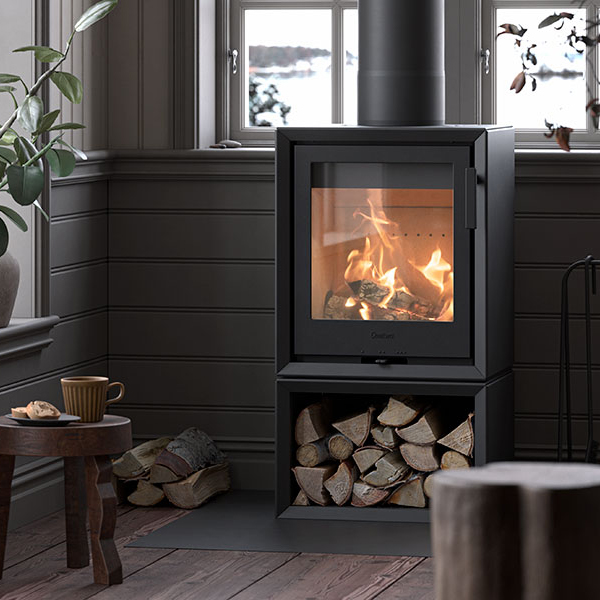
Understanding these ranges makes choosing a stove much easier than comparing individual model numbers.
In the next section we’ll explore each major range in detail, including:
- Contura 200 Series – compact, versatile wood burning stoves.
- Contura 300 Series – larger flame pictures for fireplace installations.
- Contura 500 Style Series – contemporary cylindrical favourites.
- Contura 600 Style Series – taller statement stoves with multiple finish options.
- Contura 800 Series – compact modern designs available in steel, soapstone and glass finishes.
- Contura 900 Series – premium architectural stoves for larger spaces.
- Contura i-Series – inset and cassette fireplaces for contemporary installations.
We’ll explain who each range is designed for, how they compare, their advantages, installation considerations and which homes they suit best before looking at chimney systems, twin wall flues, running costs and how Contura compares with other premium stove manufacturers.
Rather than asking “Which is the best Contura stove?”, a better question is:
Which Contura stove is best for my room, installation and lifestyle?
The answer depends on the space available, the size of the room, your preferred style, whether you’re installing into an existing fireplace or creating a completely new feature, and how you intend to use the stove throughout the year.
Below, we’ve broken down the main Contura ranges to help you narrow your search.
Contura Stove Ranges at a Glance
If you don’t have time to read this guide from start to finish, the table below provides a quick overview of the main Contura stove ranges, who they’re best suited to and the type of home they work best in. We’ll explore each range in more detail throughout this guide, but this comparison is a useful starting point when narrowing down your options.
| Series | Best For | Style | Heat Output | Popular Models |
|---|---|---|---|---|
| 200 | Existing fireplaces | Compact | 5kW | 210 |
| 300 | Larger openings | Wide | 5kW | 310, 330G |
| 500 | Contemporary homes | Cylindrical | 5kW | 556, 586 |
| 600 | Statement rooms | Tall | 5–7kW | 610, 690 |
| 800 | Flexible finishes | Modern | 5kW | 810, 820T |
| 900 | Open-plan homes | Premium | 5–9kW | 910, 990 |
| Inset | Built-in fireplace designs | Contemporary inset | Model dependent | i8, i40, i61 |
If you’re still deciding between Contura and other premium brands, take a look at our guide to the best wood burning stoves, where we compare leading manufacturers, popular models and the key differences to help you make an informed choice.
Which Contura Stove Should I Buy?
If you’re looking for a quick recommendation before exploring each range in more detail, the table below highlights some of the most popular Contura models based on different homes, room sizes and installation types.
| If you want… | We recommend… |
| Small living room | Contura 210 |
| Existing fireplace | Contura 310 |
| Wide fireplace opening | Contura 330G |
| Modern extension | Contura 556 Style |
| Tall statement stove | Contura 690 |
| Wall mounted stove | Contura 856W |
| Heat retaining soapstone | Contura 820T |
| Built-in fireplace | Contura i61 |
| Large open plan room | Contura 990T |
These recommendations are intended as a starting point. The correct stove will depend on the room’s calculated heat requirement, the available installation space, chimney or flue arrangement, required clearances and the specification of the individual model.
Contura 200 Series
Best for:
- Traditional chimney breasts
- Smaller to medium sized living rooms
- Period property renovations
- Replacing an older stove
- Homeowners wanting a large flame picture without a large appliance
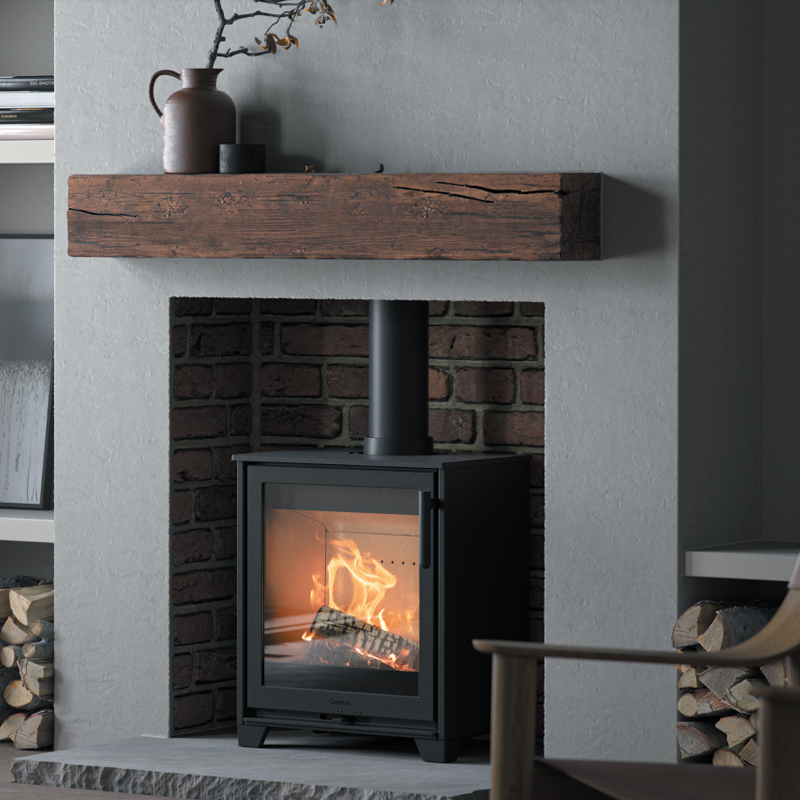
The Contura 200 Series proves that compact doesn’t have to mean compromising on performance or appearance.
One of the reasons this range has become so popular is the generous viewing window. Despite their relatively modest footprint, these stoves create an impressive view of the fire, making them feel much larger than their physical dimensions suggest.
For many UK homes, particularly Victorian terraces, cottages and detached properties with existing chimney breasts, the 200 Series offers an excellent balance between size, heat output and aesthetics.
Popular models include the Contura 210, one of the brand’s best selling wood burning stoves. Its clean styling allows it to suit both contemporary interiors and more traditional settings, making it an incredibly versatile choice.
We have also produced a detailed review of the Contura 210, covering its design, proportions, flame view and key features. The video provides a closer look at the stove and may help you decide whether the compact Contura 200 Series is suitable for your fireplace and room.
Watch Our Contura 210 Review
We have also produced a detailed review of the Contura 210, covering its design, proportions, flame view and key features. The video provides a closer look at the stove and may help you decide whether the compact Contura 200 Series is suitable for your fireplace and room.
Why choose the 200 Series?
- Compact footprint.
- Excellent flame picture.
- Ideal for most UK living rooms.
- Easy to position within existing fireplaces.
- Contemporary without looking overly modern.
Consider another range if…
If you’re looking for a dramatic statement stove or have a particularly large open plan room, you’ll probably benefit from moving up to the 500 or 900 Series.
Contura 300 Series

Best for:
- Larger fireplace openings
- Inglenooks
- Renovated farmhouses
- Feature chimney breasts
- Customers wanting a wider fire view
If your fireplace opening is larger than average, the Contura 300 Series deserves serious consideration.
Rather than increasing the height of the appliance, the 300 Series focuses on width. Models such as the Contura 310, Contura 320 and Contura 330G create a much broader flame picture, making them particularly effective within wider chimney recesses and larger living rooms.
The additional glass creates a striking focal point while still retaining Contura’s understated Scandinavian styling.
For homeowners opening up an old fireplace or renovating an inglenook, the 300 Series often feels more proportionate than a narrower stove.
Why choose the 300 Series?
- Wider viewing window.
- Excellent proportions for larger fireplaces.
- Modern styling.
- Strong visual presence without excessive height.
Our advice
Many customers initially choose a taller stove before realising a wider appliance actually suits their fireplace better. If your opening is particularly wide, don’t overlook the 300 Series simply because it isn’t the tallest option.
Contura 500 Style Series

Best for:
- Contemporary interiors
- Open plan living
- New build homes
- Scandinavian inspired spaces
- Customers wanting a freestanding feature stove
The 500 Style Series is arguably the collection most people picture when they think of Contura.
Its elegant cylindrical design has become one of the manufacturer’s signature looks and remains one of the most popular choices for modern homes.
The Contura 556 Style is especially well known thanks to its balanced proportions, generous glass and timeless appearance.
If you want a stove that becomes a feature without overwhelming the room, the 556 Style is difficult to overlook.
Other models within the range include the Contura 586 Style, which raises the stove on a pedestal for a lighter, more architectural appearance.
Although the heating performance is similar, the elevated design changes how the appliance sits within the room and often creates a more premium aesthetic.
Why choose the 500 Style?
- Elegant cylindrical design.
- Large glass door.
- Contemporary Scandinavian styling.
- Excellent focal point.
- Works particularly well with exposed twin wall flues.
Perfect for…
Modern extensions, barn conversions and homes where the stove is intended to become part of the interior design rather than simply providing heat.
Contura 600 Style Series

Best for:
- Larger rooms
- Statement fireplace installations
- Customers wanting additional height
- Open plan spaces
The 600 Style Series builds on the success of the 500 range by introducing taller, more imposing designs.
Models such as the Contura 610 and Contura 690 create a stronger vertical presence while maintaining the clean Scandinavian styling Contura is known for.
Many versions are available with side glass, allowing the flames to be enjoyed from multiple seating positions.
Some models can also be specified with Artstone cladding, creating a softer natural finish than painted steel while retaining a distinctly contemporary appearance.
Why choose the 600 Series?
- Greater visual impact.
- Excellent for larger spaces.
- Available in multiple finishes.
- Superb flame visibility.
Contura 800 Style Series

Best for:
- Customers wanting flexibility.
- Modern and traditional interiors.
- Heat retaining finishes.
- Compact contemporary installations.
The 800 Series is one of Contura’s most versatile collections.
Rather than focusing on one particular style, it offers multiple configurations, including steel, soapstone and glass versions.
Popular models include the Contura 810, Contura 820T, Contura 856 Style and Contura 856W.
This makes the range particularly attractive for homeowners who know the size of stove they need but haven’t yet decided on the finish.
The Contura 820T, finished in natural soapstone, is especially popular with customers looking for longer lasting radiant warmth after the fire has begun to die down.
Meanwhile, the wall mounted Contura 856W creates one of the cleanest contemporary installations in the entire range.
Why choose the 800 Series?
- Huge choice of finishes.
- Steel or soapstone.
- Wall mounted options.
- Compact footprint.
- Excellent design flexibility.
Contura 900 Series
Best for:
- Premium interiors.
- Large open plan rooms.
- Architect designed homes.
- Customers wanting maximum visual impact.
The 900 Series represents the premium end of the Contura range.
These are appliances designed not simply to heat a room but to become architectural centrepieces.
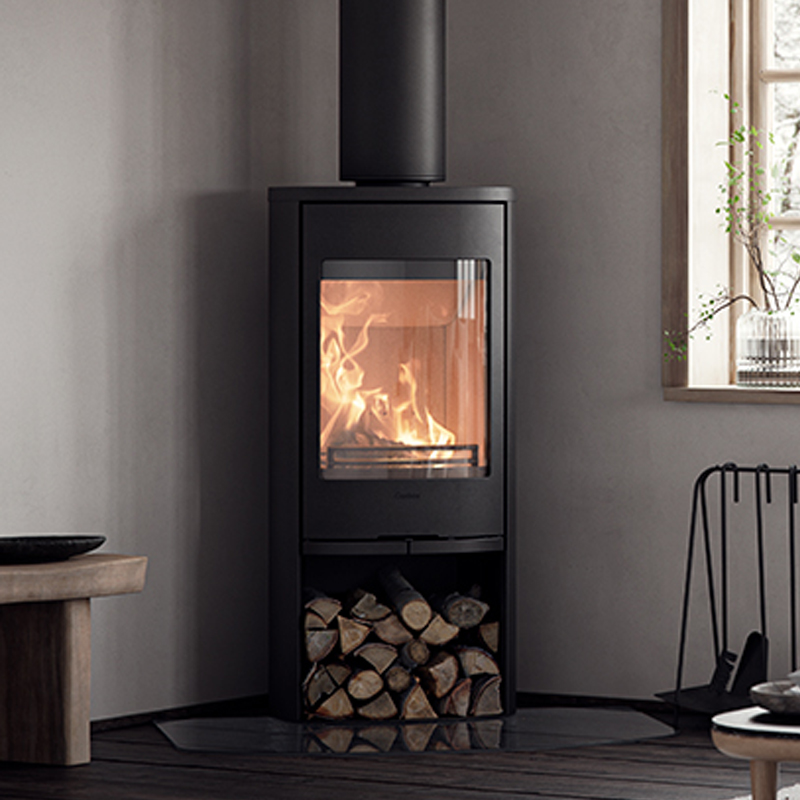
Models such as the Contura 910, Contura 990T, Contura 996T and Contura 990 combine generous proportions with exceptional flame visibility, making them ideal where the stove is intended to become a defining feature of the room.
The tall proportions work particularly well beneath vaulted ceilings and within large open plan spaces where smaller appliances can sometimes appear visually lost.
Why choose the 900 Series?
- Premium Scandinavian design.
- Impressive height.
- Outstanding flame picture.
- Ideal for larger contemporary spaces.
Contura Inset Stoves
Not every home suits a freestanding wood burning stove.
If you’re aiming for a cleaner built in appearance, Contura’s inset collection deserves close attention.

Models including the Contura i8, Contura i61, and Contura i40 integrate beautifully into bespoke fireplace chambers and media wall style installations while retaining the outstanding flame visibility Contura is known for.
Inset stoves work particularly well when paired with contemporary plastered chimney breasts, porcelain chambers or natural stone surrounds.
However, they’re also among the most technically demanding installations, requiring careful planning of the enclosure, ventilation, service access and flue system.
For this reason, it’s important to consider the complete fireplace design rather than selecting the appliance in isolation.
Steel, Soapstone or Artstone?
One question we’re regularly asked is whether soapstone is worth the additional investment.
The answer depends entirely on how you’ll use the stove.
Steel
Steel responds quickly.

It heats up rapidly, allowing the room to feel warm sooner after lighting the fire.
If you typically light your stove for an evening after work, steel is often the most practical choice.
Soapstone
Soapstone behaves differently.
It absorbs part of the heat produced by the fire before releasing it gradually over the following hours.

The stove takes slightly longer to reach its peak temperature, but continues radiating warmth after the flames have reduced.
Customers who enjoy long winter evenings often appreciate this softer, more gradual heat.
Artstone
Artstone sits somewhere between painted steel and natural soapstone in terms of appearance.

It creates a softer architectural finish while maintaining the contemporary styling that has become synonymous with Contura.
The choice is often aesthetic rather than purely functional.
Freestanding or Inset?
This is one of the biggest decisions you’ll make.
Choose a freestanding Contura if you:
- want the stove to become a focal point;
- have an existing fireplace opening;
- want a simpler installation;
- prefer traditional stove proportions.

Choose an inset Contura if you:
- are creating a new fireplace;
- want a minimalist appearance;
- prefer a built in design;
- are undertaking major renovation work.

Neither option is universally better.
The right choice depends entirely on the property, available space and desired appearance.
Our Advice on Choosing the Right Contura Stove
In our experience, the final decision often comes down to proportion rather than specification alone. The Contura 210 and 310 suit many existing fireplace openings, while the 556 Style and 586 Style work particularly well as freestanding features. For larger architectural spaces, taller models such as the Contura 690 and selected 900 Series appliances generally create a more balanced appearance.
Rather than recommending one model for everyone, we’d generally suggest:
- Small living room – Consider the Contura 210 or Contura 810, subject to the room’s calculated heat requirement.
- Traditional chimney breast – I would look at the Contura 310 or Contura 330G.
- Modern extension – The Contura 556 Style and Contura 586 Style are excellent starting points.
- Open plan living – Consider the taller Contura 690, Contura 896G or Contura 990.
- Modern built-in fireplace – The Contura i61 and Contura i8 provide outstanding flame pictures while maintaining a clean architectural appearance.
Ultimately, the best stove is the one that suits your home, not simply the one with the highest specification or largest viewing window.
The next step is understanding how these appliances should be installed, whether your property requires a flexible chimney liner or a twin wall flue system, and the practical considerations that influence both performance and long term enjoyment. Those are often the factors that separate a good installation from a great one.
Installing a Contura Stove: What You Need to Know Before Buying
Choosing the right Contura stove is only part of the process. The quality of the installation has just as much influence on how well the stove performs, how efficiently it burns and how much you’ll enjoy using it over the years.
Every property is different. A Victorian terrace with an existing chimney requires a different approach to a modern extension with no chimney, while a barn conversion or garden room may have its own unique challenges.
Planning the installation before purchasing the stove helps avoid unexpected costs, ensures the appliance is correctly specified and often gives you a much wider choice of suitable models.
Do You Need an Existing Chimney?
No. One of the biggest misconceptions about wood burning stoves is that they can only be installed in homes with a traditional masonry chimney.
Modern insulated Twin Wall Flue Systems mean Contura stoves can now be installed in thousands of properties that were never originally designed for solid fuel heating.
This makes them ideal for:
- Modern homes
- New build properties
- Extensions
- Garden rooms
- Garden offices
- Barn conversions
- Kitchen extensions
- Open plan living spaces
The flue can often be routed internally through the property before exiting through the roof, or externally depending on the layout and the appliance being installed.
The best route depends on factors such as:
- Ceiling heights
- Roof construction
- Building layout
- Aesthetics
- Appliance position
- Manufacturer’s requirements
Planning the flue route early almost always produces a cleaner installation than trying to work around existing building work later.
Existing Chimneys
If your home already has a chimney, don’t assume it’s ready for a new stove.
Older chimneys may have:
- Damaged liners
- No liner at all
- Cracked masonry
- Oversized flues
- Poor draw
- Historic blockages
- Water ingress
A chimney survey helps determine whether the chimney is suitable in its current condition or whether additional work is recommended.
Many installations benefit from fitting a Flexible Stainless Steel Chimney Liner, which improves draw, increases efficiency and protects the chimney from the by products of combustion.
Depending on the age and construction of the property, other components such as chimney pots, cowls, register plates and adaptors may also be required.
Twin Wall Flue Systems
Where no chimney exists, a professionally designed insulated Twin Wall Flue System provides a safe route for the flue gases.
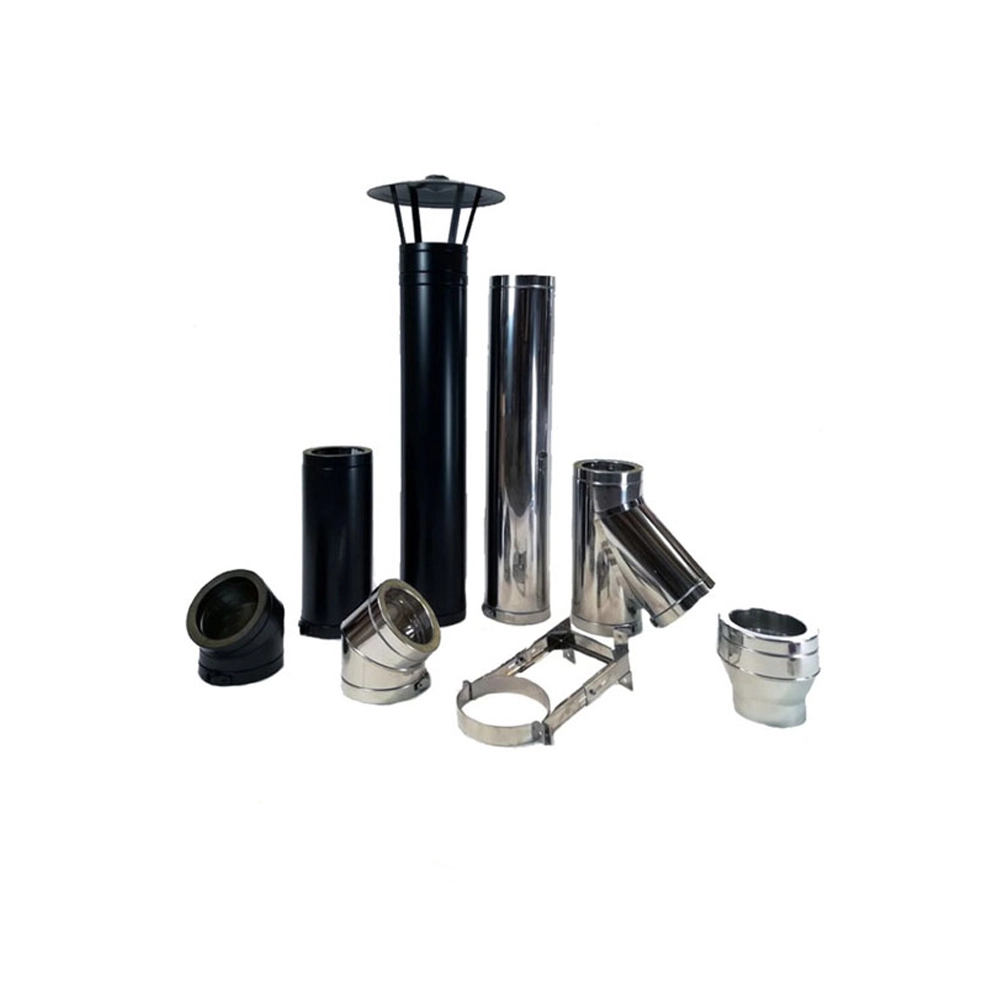
Modern twin wall systems are highly engineered products manufactured from insulated stainless steel sections that lock together to create a continuous chimney.
Although many people simply refer to them as “silver pipes”, they’re an integral part of the heating system and should never be treated as an afterthought.
The design of the flue influences:
- Stove performance
- Draught
- Ease of lighting
- Smoke control
- Long term reliability
- Appearance
At Bonfire, we regularly specify premium systems including Schiedel ICS Twin Wall Flue, Midtherm HT S Twin Wall Flue and Mi Flues Twin Wall Systems, selecting the most appropriate solution for each installation.
Choosing the Correct Heat Output
One of the most common mistakes we see is homeowners choosing a stove purely because they believe “bigger is better”.
In reality, an oversized stove can be just as problematic as one that’s too small.
A stove designed to produce significantly more heat than the room requires is often operated with the air controls almost closed to reduce the output.
This can result in:
- Dirtier glass
- Less efficient combustion
- Increased soot deposits
- Poorer overall performance
Instead, the aim is to select a stove that matches the heat loss of the room.
Factors influencing this include:
- Room dimensions
- Ceiling height
- Insulation levels
- Number of external walls
- Window sizes
- Property age
- Air leakage
- Open plan layouts
Many Contura models have a nominal output of around 5kW, making them an excellent choice for a wide variety of UK homes, but there is no substitute for assessing the room properly before choosing an appliance.
External Air Supply
Modern homes are becoming increasingly airtight.
While this improves energy efficiency, it can also affect combustion appliances.
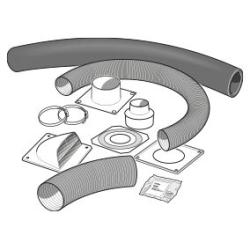
Many Contura stoves can be connected to an external combustion air supply, allowing the appliance to draw combustion air directly from outside rather than from within the room.
This is particularly beneficial in:
- Modern homes
- Highly insulated properties
- New build houses
- Passivhaus projects
- Homes with mechanical ventilation systems
Whether an external air supply is recommended depends on the property and the installation rather than simply the stove itself.
DEFRA and Smoke Control Areas
If you live within a Smoke Control Area, it’s important to ensure the appliance you’re considering is suitable.
Many Contura wood burners are DEFRA exempt stoves, allowing them to burn wood legally within Smoke Control Areas when installed and operated in accordance with the manufacturer’s instructions.
Always check the specification of the individual model rather than assuming every appliance within the range carries the same approval.
It’s also important to burn properly seasoned or kiln dried logs with a moisture content below 20%.
Even the most advanced stove cannot compensate for poor quality fuel.
Ecodesign Explained
All current Contura wood burning stoves have been developed to meet modern Ecodesign standards.
Compared with older appliances, Ecodesign stoves are designed to:
- Produce lower emissions.
- Burn fuel more efficiently.
- Reduce particulate output.
- Improve combustion.
- Deliver more usable heat from each log.
Combined with dry fuel and correct operation, this results in a cleaner, more efficient wood burning experience.
Running Costs
The cost of running a Contura stove depends on several factors:
- Fuel quality.
- Stove output.
- Room temperature.
- Insulation.
- Burn time.
- User operation.
A well installed, correctly sized stove burning dry hardwood logs will generally operate far more efficiently than an oversized appliance burning damp fuel.
Rather than asking how much a stove costs to run, it’s better to ask whether it’s correctly matched to the property.
Good installation and good fuel often make a much bigger difference than small differences in published efficiency figures.
Servicing and Maintenance
One of the advantages of Contura stoves is their straightforward day to day maintenance.
Regular care helps maintain efficiency and extends the life of the appliance.
We recommend:
- Emptying ash as required.
- Cleaning the glass using appropriate stove glass cleaner.
- Checking rope seals periodically.
- Inspecting firebricks and baffle plates.
- Having the chimney swept at least annually, or more frequently depending on use.
- Following the manufacturer’s servicing recommendations.
Routine maintenance not only helps keep the stove operating efficiently but also allows worn components to be identified before they become larger issues.
Why Visit a Showroom Before Buying?
Buying a premium stove from photographs alone can be surprisingly difficult.
Dimensions on paper rarely convey how a stove will look within a room.
One of the biggest surprises for many customers visiting our Showroom is how different two apparently similar models feel in person.
For example, comparing the Contura 556 Style, Contura 586 Style and Contura 596 Style side by side immediately highlights differences in height, proportions and visual impact that are difficult to appreciate online.
Likewise, viewing a steel model alongside a soapstone Contura 820T helps demonstrate how different finishes influence the overall appearance of the stove.
A showroom visit also provides the opportunity to discuss:
- Heat output.
- Chimney suitability.
- Twin wall flue options.
- Fireplace design.
- Hearth materials.
- Installation considerations.
- Running costs.
- Maintenance.
For many homeowners, it turns uncertainty into confidence before making what is often a long term investment.
Contura Stove Buying Checklist
Before ordering your Contura stove, ask yourself:
✔ Have I chosen the correct heat output?
✔ Is the stove proportionate to the room?
✔ Does my chimney need a flexible liner?
✔ If I don’t have a chimney, has a twin wall flue been considered?
✔ Do I prefer steel, soapstone or Artstone?
✔ Have I allowed for hearth dimensions and clearances?
✔ Have I chosen the right style—freestanding, wall mounted or inset?
✔ Have I considered long term maintenance?
✔ Have I viewed the stove in person if possible?
✔ Have I spoken to an experienced stove specialist if I’m unsure?
Answering these questions before ordering helps ensure you’ll enjoy your Contura stove for many years to come.
Frequently Asked Questions
If you’re looking for a premium wood burning stove that combines Scandinavian design, efficient combustion and long term build quality, Contura represents excellent value. Rather than competing on price alone, the brand focuses on quality engineering, contemporary styling and everyday usability.
Models such as the Contura 210 and Contura 810 are excellent starting points for smaller to medium sized living rooms, although the correct choice depends on the property’s heat loss characteristics rather than room size alone.
Yes. Many Contura stoves can be installed using a professionally designed Twin Wall Flue System, making them suitable for homes without an existing chimney.
The Contura 330G, Contura 896G and several inset models such as the Contura i61 are popular choices for homeowners prioritising flame visibility, although the ideal model depends on the available installation space.
Soapstone absorbs heat while the stove is burning and releases it gradually afterwards. For customers using their stove for long evening burns or all day heating, many feel the additional investment is worthwhile.
Freestanding models offer greater flexibility and often suit existing fireplaces, while inset models create a cleaner, more architectural appearance within bespoke fireplace chambers. The best option depends on the style of property and the overall fireplace design.
Ready to Find Your Perfect Contura Stove?
Whether you’re replacing an existing wood burner, renovating a fireplace or planning a completely new installation, choosing the right stove begins with understanding your home rather than simply comparing specifications.
Explore our full collection of Contura Stoves, browse our wider range of Wood Burning Stoves, visit our Showroom to compare selected models in person, or speak to our team if you’d like advice on choosing the most suitable Contura stove, chimney system or twin wall flue for your project.