PM2.5 is one of the most discussed topics when it comes to wood burning stoves. It refers to very fine particulate matter that can affect air quality and health when present in high concentrations.
However, the key point often missed is this:
Not all wood burning produces the same level of emissions.
There is a significant difference between open fires, older stoves, and modern Ecodesign wood burning stoves.
Estimated reading time: 4 minutes
Table of contents
The Real Difference: Open Fires vs Modern Stoves
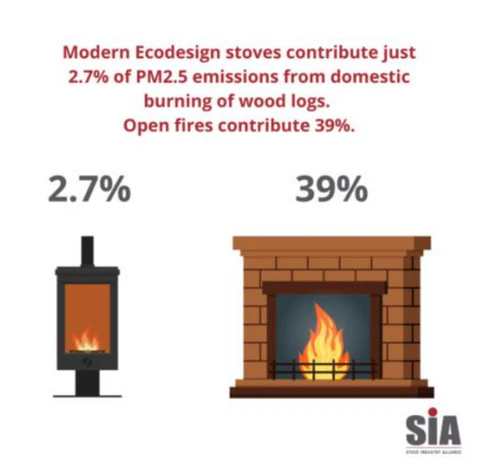
The biggest contributor to particulate emissions in domestic wood burning is not modern stoves, it is open fires and older appliances.
In real terms:
- Open fire: ~10.0g of PM2.5 per hour
- Older stoves (pre-2022): significantly higher emissions
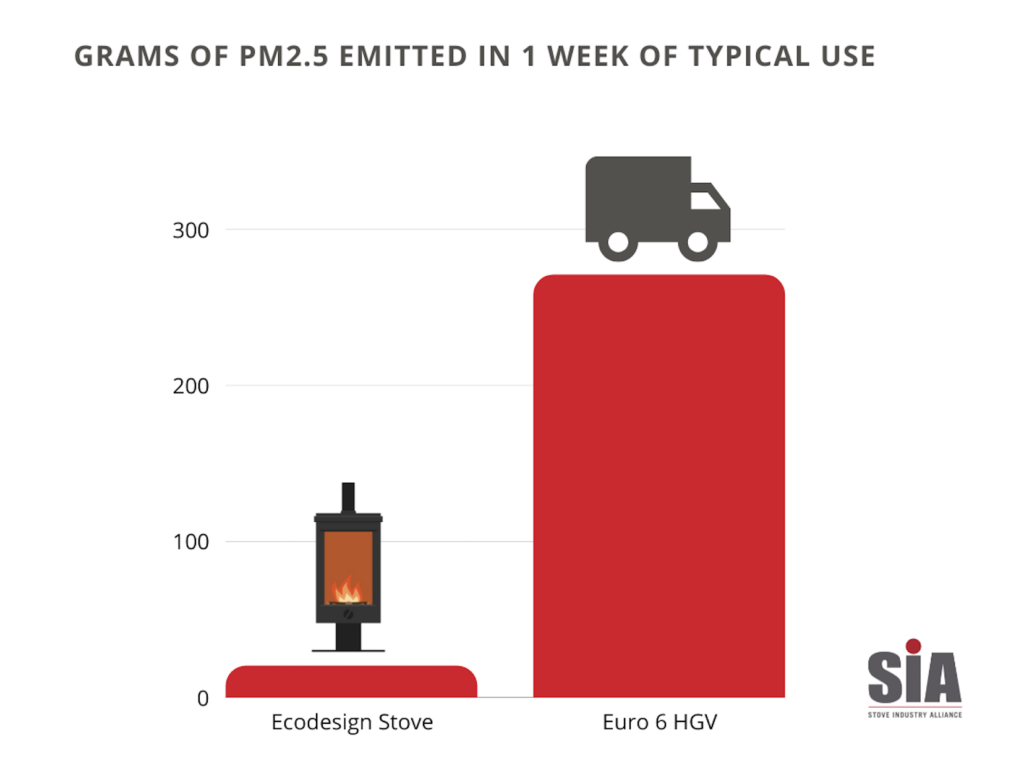
- Modern Ecodesign stoves: ~0.1 to 0.7g per hour
This means:
1 hour of an open fire can produce the same PM2.5 as 10 to 100 hours of a modern Ecodesign stove.
This highlights the scale of difference between appliance types.
Why Modern Ecodesign Stoves Produce Less PM2.5
Modern wood burning stoves are designed to burn fuel far more efficiently than older appliances.
They achieve this through:
- Higher combustion temperatures
- Improved airflow control
- Advanced firebox design
- Secondary combustion (burning off excess gases)
This results in a cleaner, more complete burn, which significantly reduces particulate emissions.
A Real-World Comparison: PM2.5 and Everyday Activities
PM2.5 is not unique to wood burning. It is produced by many everyday activities inside and outside the home.
Common sources include:
- Cooking (especially frying or high-heat cooking)
- Candles and open flames
- Road traffic and brake dust
- Outdoor pollution entering the home
Cooking, for example, can create short spikes in PM2.5 levels, particularly without proper ventilation.
The difference is:
- Open fires → high, continuous emissions
- Modern stoves → low, controlled emissions
- Cooking → short, temporary spikes
This puts modern Ecodesign stoves much closer to normal daily activities than to the high emissions of open fires.
The Role of Fuel and Installation
Even the best stove will only perform properly if it is used correctly.
To keep emissions low:
- Use dry, seasoned wood under 20% moisture
- Choose “Ready to Burn” certified fuel
- Ensure correct installation by a qualified professional
- Maintain the appliance and flue regularly
Poor fuel or incorrect installation can increase emissions significantly, regardless of the appliance.
Are Wood Burning Stoves Bad for Air Quality?
This depends entirely on the type of appliance and how it is used.
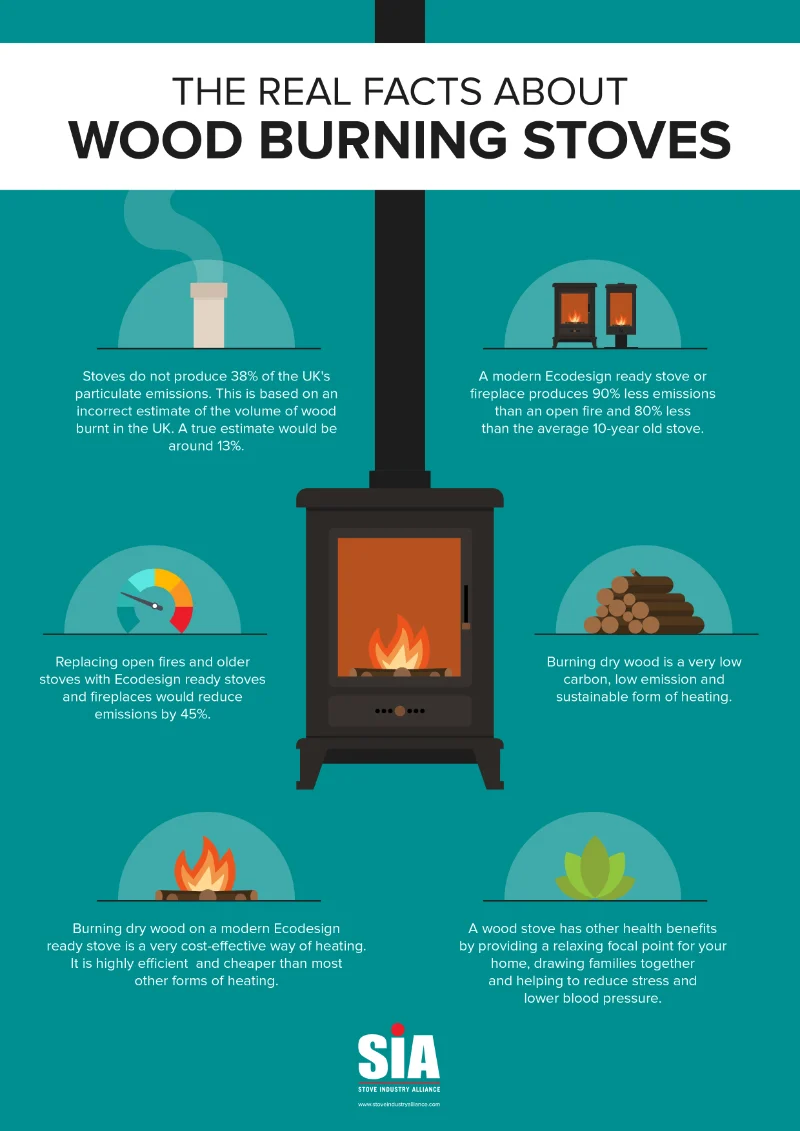
- Open fires and older stoves: High emissions and inefficient
- Modern Ecodesign stoves: Low, controlled emissions when used correctly
The evidence shows that modern stoves are not the primary issue when it comes to PM2.5. The real problem lies with outdated systems and poor burning practices.
Figures are based on industry and government-backed data including HETAS, Defra and Stove Industry Alliance guidance.
The Bottom Line
PM2.5 is an important issue, but it must be understood properly.
- Modern Ecodesign stoves produce a fraction of the particulates of open fires
- They are designed to meet strict emission standards
- When used with the right fuel and installation, they are a controlled and efficient heating solution
Upgrading from an open fire or older stove to a modern Ecodesign appliance is one of the most effective ways to reduce particulate emissions in the home.