At Bonfire, we’ve been installing fireplaces and stoves across the UK for over 20 years.
We’ve worked with everything from traditional log burners to cutting edge gas systems and more recently, the bioethanol fire has become one of the most requested features.

They’re modern, flexible, and create real flames without chimneys or gas lines. But while they look simple, there are important considerations around safety, installation, and insurance that many homeowners miss.
This guide draws on our two decades of hands on experience. We’ll walk you through what bioethanol fires are, how to install them safely, the hidden risks, the insurance you’ll need, and why working with professionals makes all the difference.
Estimated reading time: 8 minutes
Table of contents
What Is a Bioethanol Fire?
A bioethanol fire (sometimes called a bioethanol stove) burns a renewable liquid fuel made from plant sugars like corn or sugarcane. Unlike wood or coal, it produces no smoke, soot, or ash.

Instead, the main by products are water vapour and a small amount of carbon dioxide which is about the same as burning a few candles. That’s why bioethanol fires don’t need chimneys or flues.
They can be:
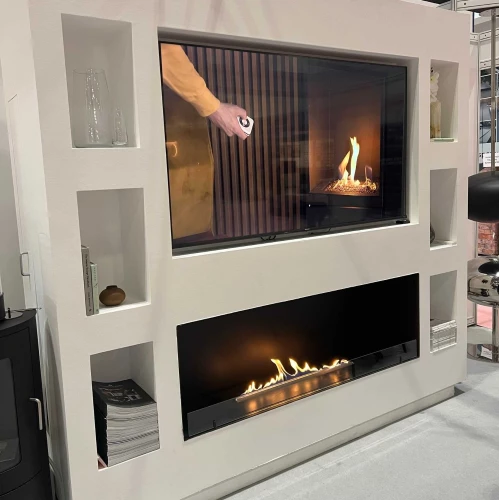
- Built into a wall as a striking feature.
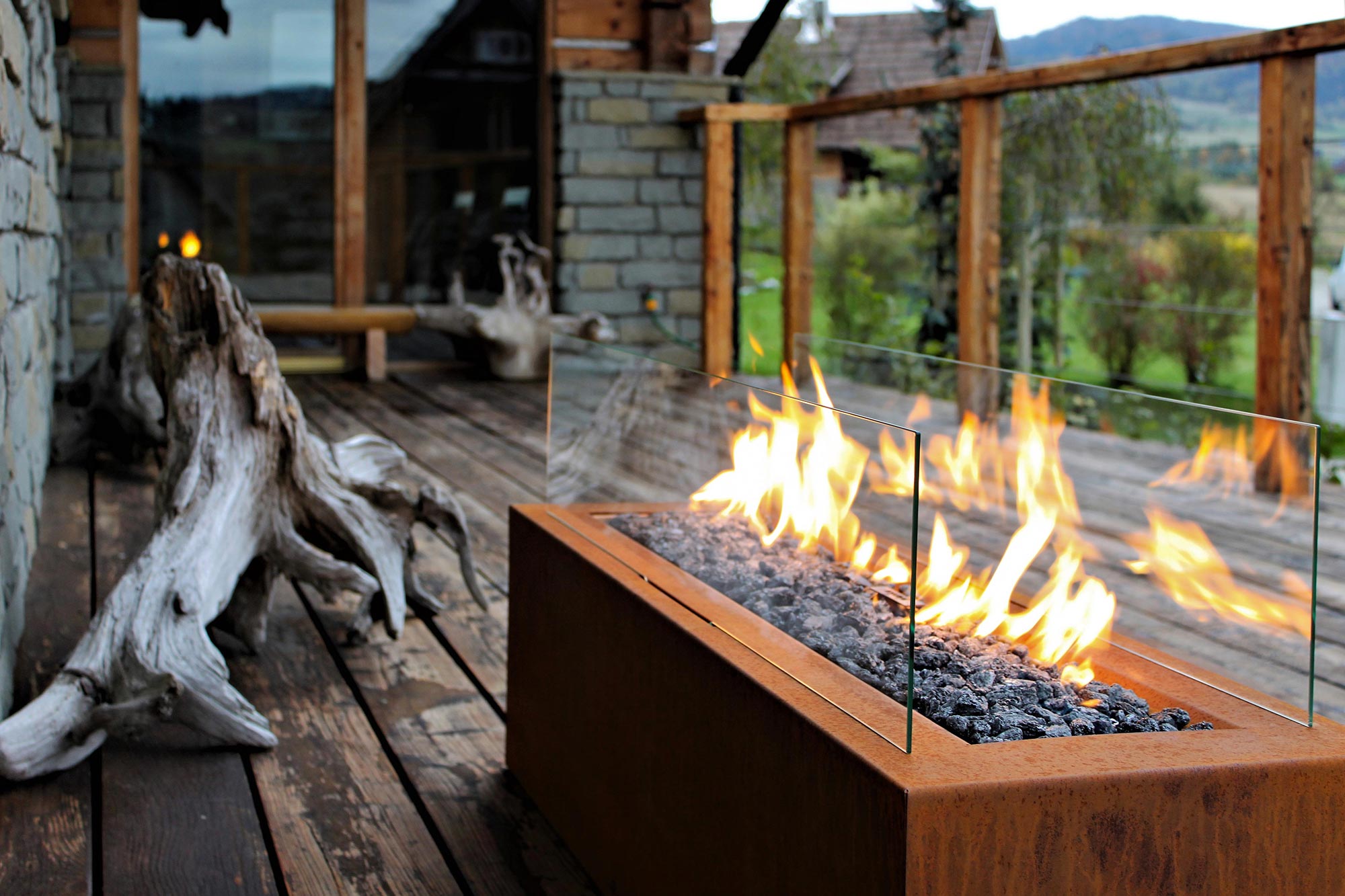
- Freestanding in a living room or dining space.
- Smaller tabletop burners for ambience.
And unlike electric fires, the flames are completely real.
Why Homeowners Love Them
The appeal is clear. Bioethanol fires are stylish, eco friendly, and can be fitted in homes where log burners or gas fires would be too disruptive or impractical.
They’re also popular because they’re marketed as “easy installation, no hassle.” And yes, they are simpler than traditional options.
But here’s where expertise matters: simple doesn’t mean risk free.
The Risks You Should Know About
As experts, we’ve seen the problems that glossy brochures don’t mention.
Refuelling mistakes are common. Because bioethanol is a flammable liquid, spilling it near an open flame or refilling before the fire has cooled can cause flare ups.
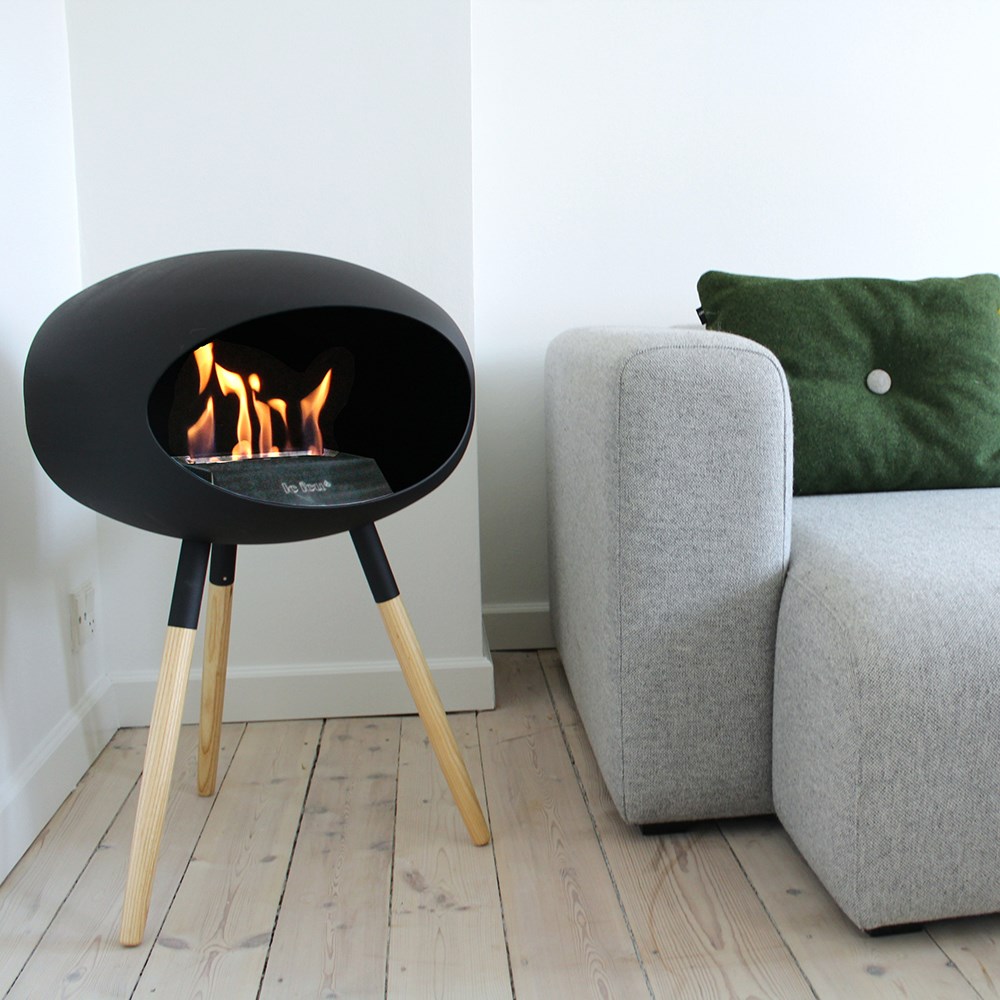
The flames themselves are sometimes hard to see in daylight, which means people can misjudge the risk, especially with children or pets around.
Related Article: Bioethanol Fireplaces: Should You Get One?
Ventilation is another key factor. Bioethanol fires still consume oxygen and produce CO₂. Without proper airflow, this can become unsafe.
And finally, the installation. We’ve seen DIY jobs where the wrong materials were used, or the fire was placed too close to furniture. A freestanding fire might look easy, but built-in designs need professional knowledge to prevent long-term hazards.
The Insurance Factor
Here’s the hard truth many homeowners don’t realise: installing a bioethanol fire without proper insurance can leave you completely unprotected.
Bioethanol fires are real open flames that burn flammable liquid. Even though they don’t produce smoke or require a chimney, they are still classified by insurers as a significant fire risk.
Homeowner insurance requirements:
- Most standard home insurance policies do not automatically cover bioethanol fires.
- If you install one without informing your insurer, your policy may be invalidated entirely.
- Insurance for bioethanol fires often requires specialist clauses explicitly stating that the home has an open flame appliance burning liquid fuel.
- Proper disclosure is mandatory: failing to declare the fire can lead to denied claims in the event of fire or damage.
Installer requirements:
- Professional installers must carry a seperate specialist liability insurance for bioethanol fires. Standard tradesman insurance often excludes open flame work or flammable liquid handling.
- If an installer without specialist insurance fits your fire and something goes wrong, your insurer may refuse to pay any claim, because the installation was not done under insured conditions.
- This is why certified, insured professionals are essential. This is not just for safe installation, but to satisfy insurance conditions.
Safety facts:
- Bioethanol fires can be dangerous if installed incorrectly. Risks include flare ups, burns, and heat damage to nearby surfaces.
- Proper spacing, fireproof materials, and ventilation are critical.
- Professional installers know the exact requirements for clearances, heatproof surrounds, and fuel storage to minimise these risks.
At Bonfire, we always advise homeowners to:
- Speak to their insurance provider before installation to confirm coverage.
- Only use installers with specialist bioethanol fire insurance, providing documentation for both installation and insurance.
- Treat the fire as a real open flame, following all safety guidance from the installer.
In short: bioethanol fires are beautiful and modern, but they are not “risk-free.” Both the homeowner and installer must have proper insurance, otherwise the fire may be effectively illegal under your home insurance policy, and any incident could leave you financially liable.
Need a professional installer? Contact our team as we carry specialist insurance for safe bioethanol fire installations.

Case Study: A Client in Surrey
One recent project involved a family in Surrey who wanted a wall mounted bioethanol fire as the centrepiece of their new open plan living space. They were initially tempted to install it themselves after seeing “easy fit” models online.

When they spoke to us, we explained the insurance implications and the importance of proper fireproofing in the wall recess. They hadn’t considered that their home insurance might be voided without a professional certificate of installation.
We designed and fitted the fire, using heat resistant materials and ensuring the correct clearances. Afterwards, the family were able to update their insurance with full peace of mind. This is something they wouldn’t have had with a DIY install.
Why Professional Installation Matters
With over 20 years in the industry, we know that bioethanol fires aren’t a DIY job.
Professional installation ensures:
- Correct safety clearances.
- Use of fireproof materials.
- Adequate ventilation.
- Documentation for insurers.
We’ve had clients come to us after struggling to get insurance because they couldn’t prove who installed their fire. Avoiding this situation from the start saves time, stress, and money.
Living with a Bioethanol Fire
Once installed properly, these fires are fantastic. They provide real flame ambience, gentle warmth, and a stunning focal point.
Fuel costs vary depending on usage, but most clients find the experience worth it. The key is treating it as a real fire: respect the flame, follow safety rules, and never refuel while it’s hot.
Frequently Asked Questions
Yes, when installed professionally and used responsibly. Adequate ventilation and safe refuelling practices are essential.
Yes. Most UK insurers require you to declare the installation. Specialist cover is required by the client and installer.
Freestanding models may seem simple, but built in fires should always be installed by a professional to meet safety and insurance requirements.
Bioethanol fuel typically lasts 4–6 hours per refill. Costs depend on usage but are higher than electric fires. Most homeowners value the real flame effect.
Why Trust Bonfire
Bonfire has been installing fireplaces and stoves across the UK for more than 20 years. We’re trusted specialists in wood, gas, and bioethanol, and we’ve seen firsthand what works and what doesn’t.

Our reputation is built on expertise, safety, and reliability. We guide clients through choosing the right model, ensuring insurance compliance, and fitting their fire to the highest standards.
When you work with Bonfire, you don’t just get a fire, you get peace of mind.
Final Thoughts
Bioethanol fires are modern, versatile, and eco friendly. But they aren’t risk free. To enjoy them safely, you need the right installation, the right insurance, and the right advice.
At Bonfire, we’ve been helping UK homeowners for over two decades. If you’re considering a bioethanol fire or stove, let us help you do it properly. Safe, stylish, and fully covered.
Because a fire should bring warmth and atmosphere, never worry.