Bath stone fireplaces are one of the most beautiful and timeless choices for any home. Known for their warm cream and honey tones, soft texture, and natural character, they bring both style and history into your living space. Unlike manufactured surrounds, real Bath stone has unique variations and develops a natural charm over time.
This guide will cover everything you need to know about Bath stone fireplaces. From its history and how it’s made, to choosing the right size, installing it safely, and keeping it looking great for years.
Whether you are restoring a period home or adding a natural stone fireplace to a new interior, this guide will help you make smart decisions.
Estimated reading time: 14 minutes
Table of contents
Shop our full collection of Bath Stone Fireplaces
What is Bath Stone?
Bath stone is a natural limestone from the Bath and Somerset area of England. It formed millions of years ago from tiny grains called ooids that bonded together to create soft, fine grained stone.
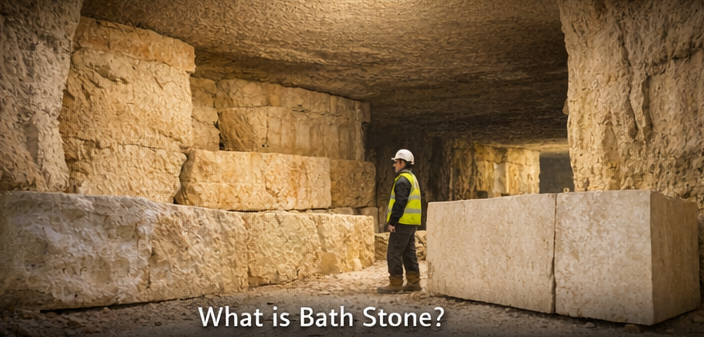
When first quarried, it’s easy to carve, which is why it’s been used for centuries in buildings and fireplaces. Over time, it hardens naturally to become durable and long lasting.
Because it’s slightly porous, Bath stone can absorb moisture and air, which actually helps older buildings breathe. But this also means it needs proper care around a working fire to prevent stains or damage. That’s why sealing your fireplace is important.
Its natural colour and subtle variations are part of its charm. No two pieces are exactly the same, making every Bath stone fireplace unique.
History of Bath Stone Fireplaces
Bath stone has been used in British architecture for hundreds of years. It is famous for its role in the city of Bath, where Georgian terraces, crescents, and public buildings were built from this creamy stone. Fireplaces made from Bath stone became an essential part of British homes, adding both warmth and elegance.
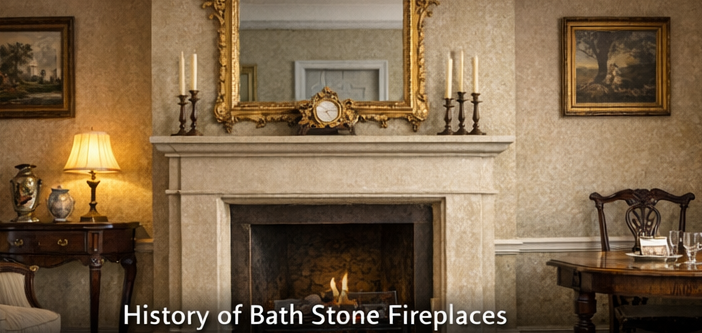
In Georgian homes, fireplaces often featured classic designs with bolection mouldings or carved details. Victorian designs were often more decorative, while Edwardian fireplaces tended to be simpler. Today, designers love Bath stone for both restoration projects and modern interiors, because it brings a sense of history and natural beauty.
Even in contemporary homes, Bath stone works beautifully. Its warm tones complement wood floors, neutral walls, and different styles of fires, from wood burning stoves to modern electric inserts.
Design Styles and Shapes
Bath stone fireplaces come in many designs. Bolection surrounds, which have a raised frame around the fire opening, are classic and timeless. More decorative fireplaces may include fluted legs, corbels, or carved panels for a traditional feel.
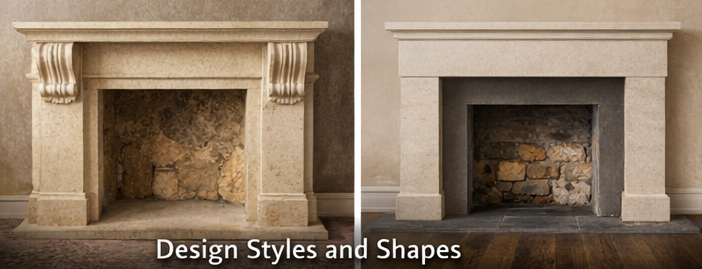
Modern Bath stone fireplaces focus on simplicity, with clean lines and minimal mouldings. These designs let the natural beauty of the stone shine while fitting into contemporary interiors.
When choosing a fireplace, size is very important. The mantel should be proportionate to the room and wider than the fire opening to create balance. Larger rooms can handle more ornate designs, while smaller rooms look best with simpler surrounds.
Real Bath Stone Fireplaces in UK Homes
Bath stone fireplaces look different in every home. Natural colour variation, room lighting and mantel proportions all influence the final appearance.
This gallery shows a few of our real installations to help you visualise how different styles work in traditional and contemporary spaces.
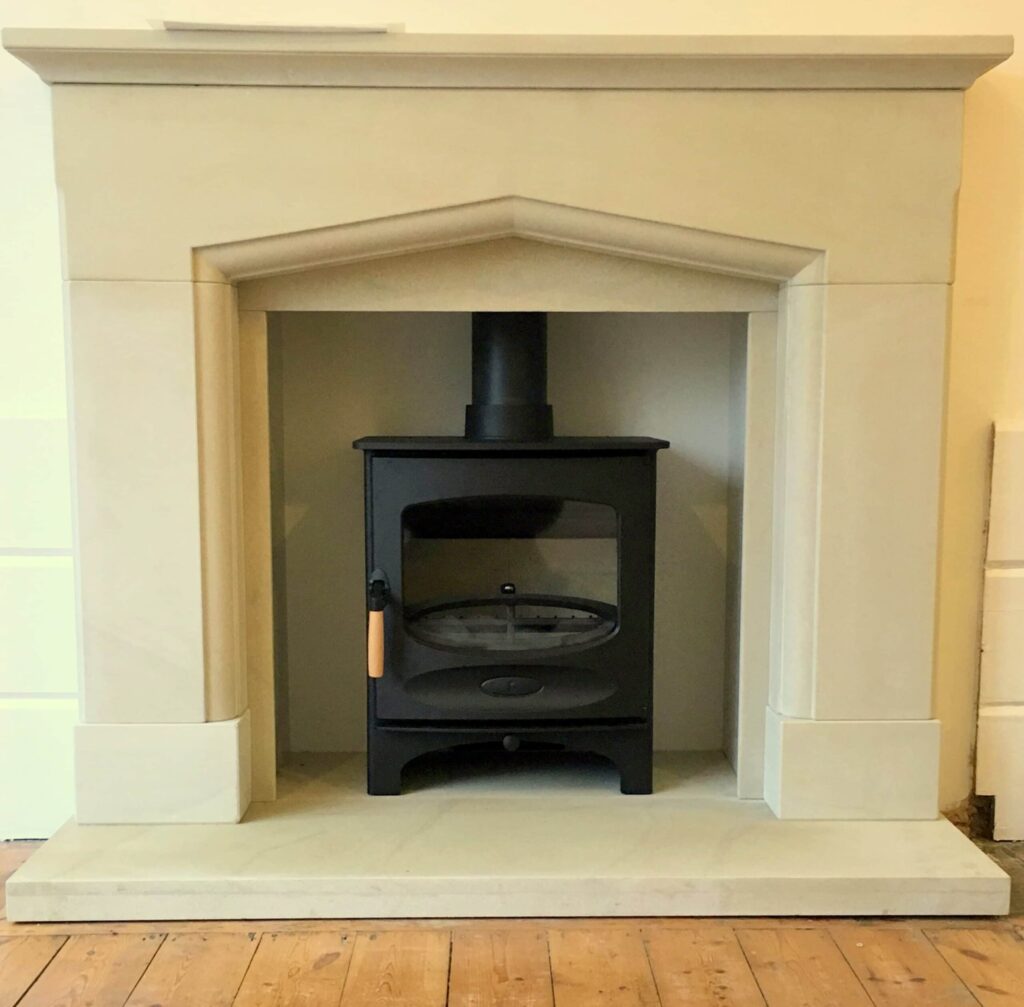
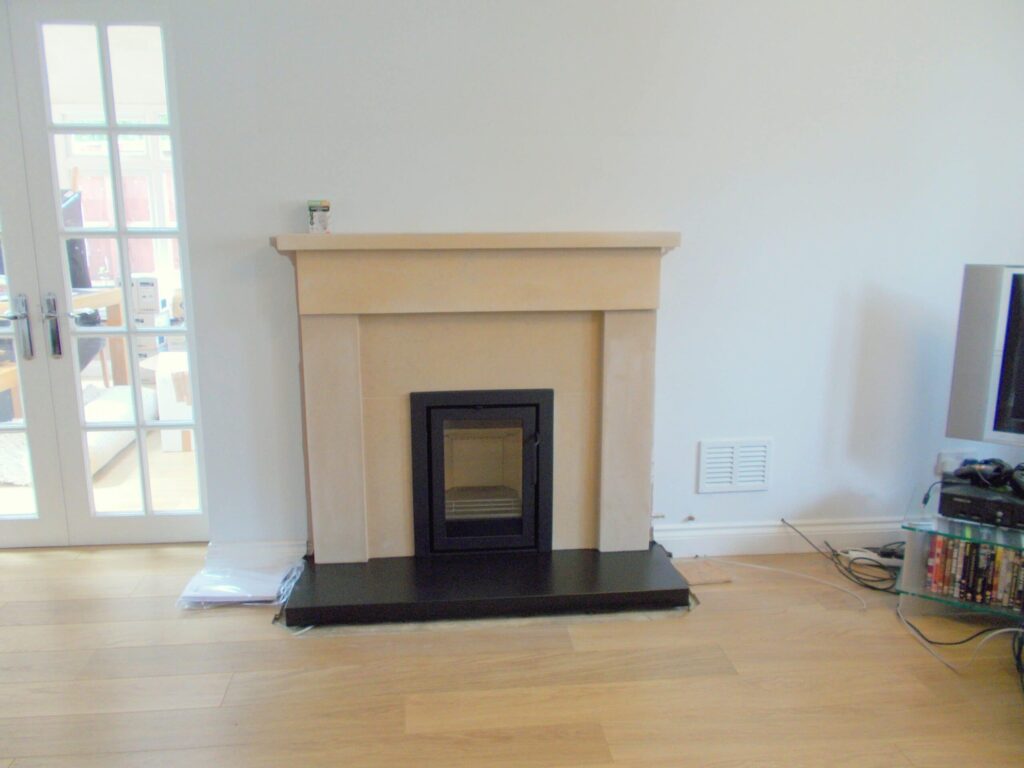
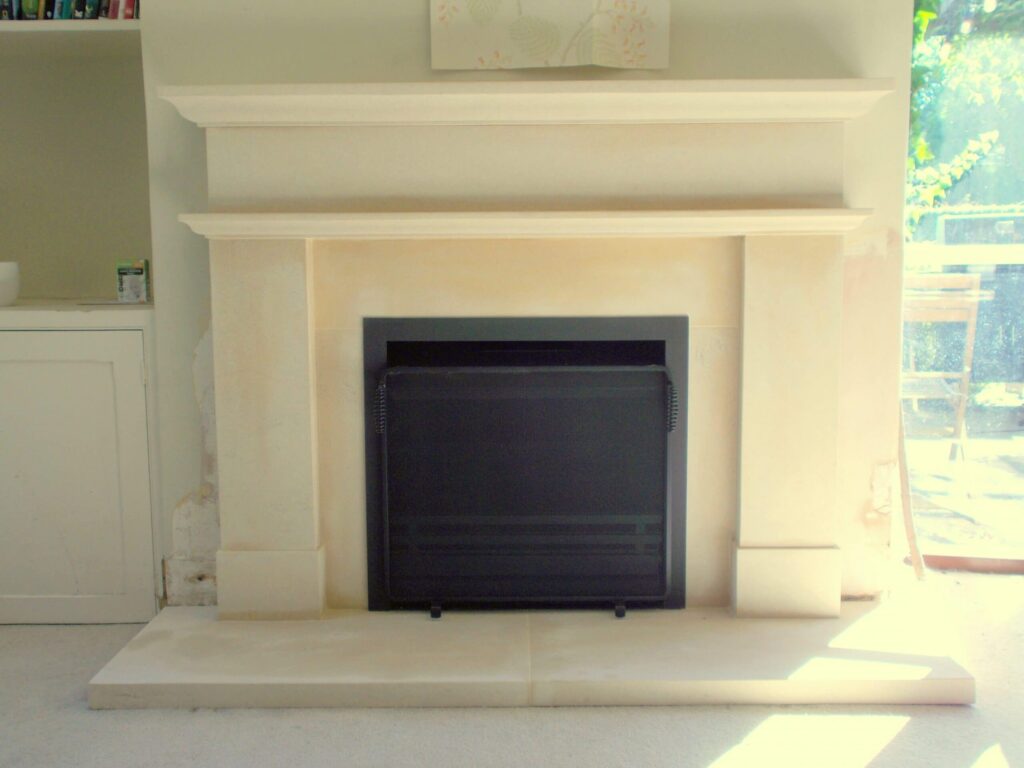


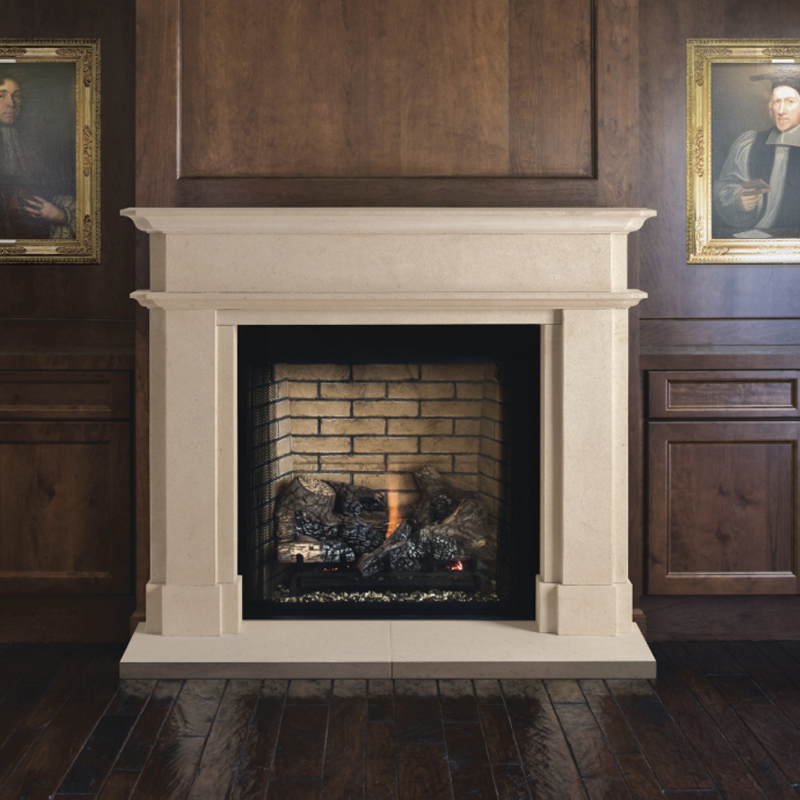

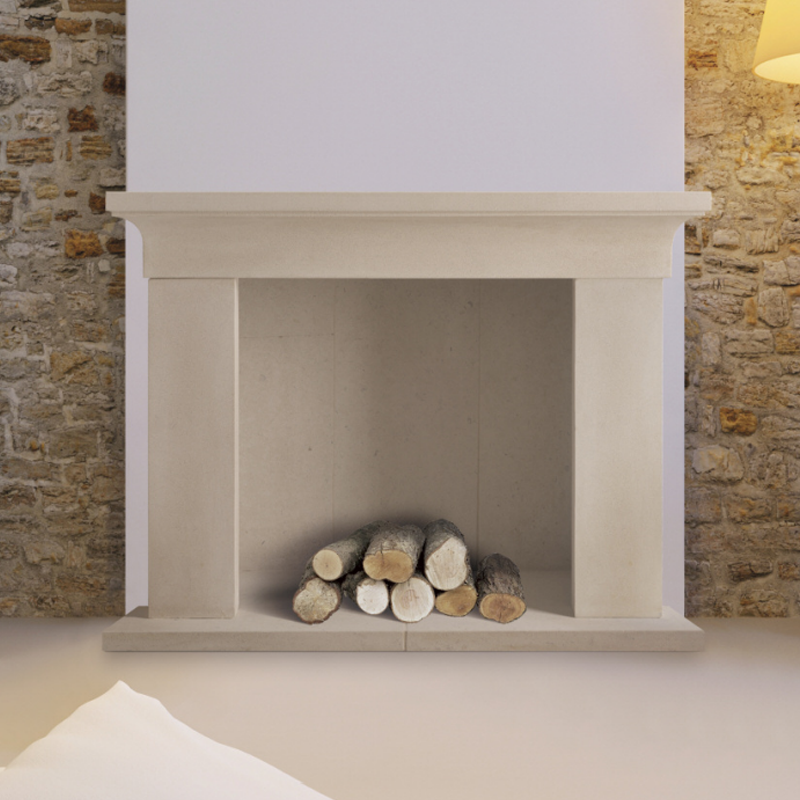
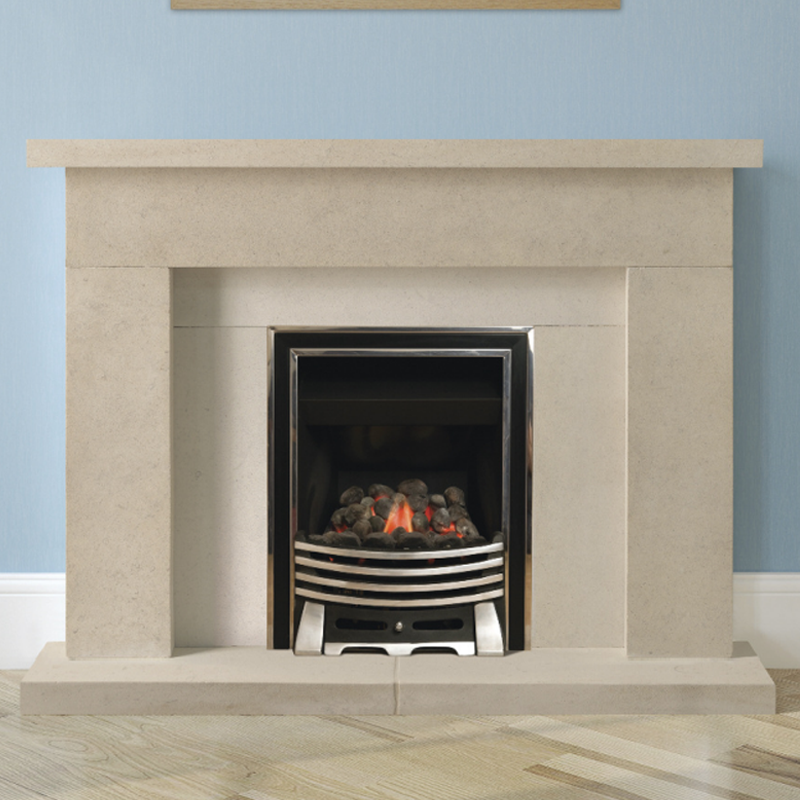

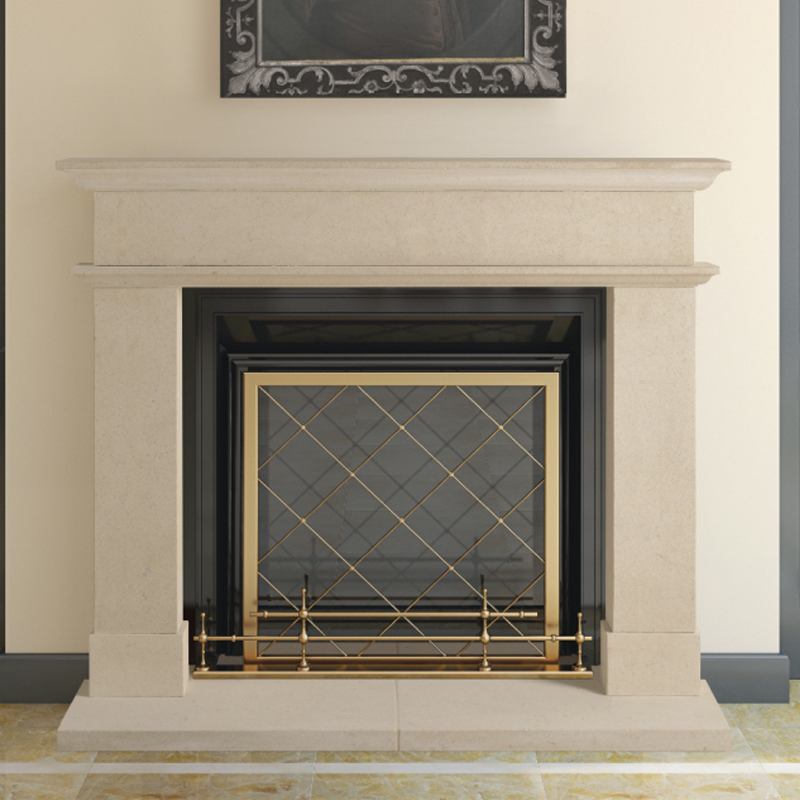


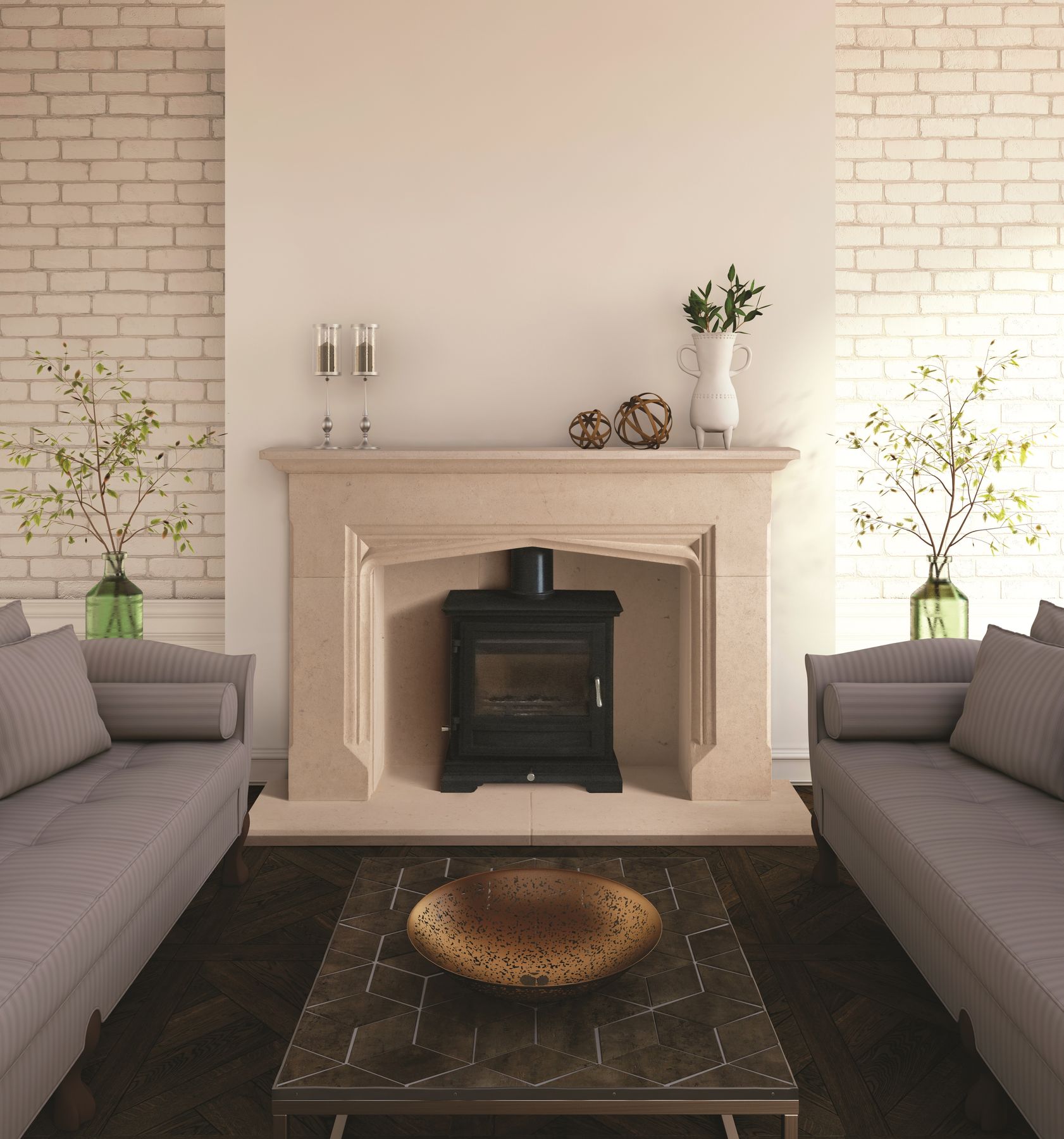
Notice the subtle tonal shifts in the stone, the scale of each mantel in relation to the room, and how different fire types integrate with the surround. From classic carved profiles to minimalist modern designs, Bath stone adapts beautifully.
If you see a style you like, you can explore our full collection of Bath Stone Fireplaces here
Compatibility with Different Fires
Bath stone works well with wood burning stoves, gas fires, and electric fires. For wood burning stoves, it’s important to follow installation rules and keep enough distance from the flames.
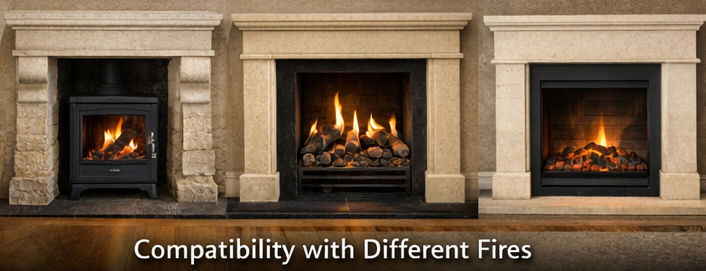
Gas fires produce less soot, making maintenance easier, while electric fires have minimal heat and are low maintenance.
Choosing the right fire type helps protect your Bath stone and keeps your fireplace looking beautiful for years. Always make sure the installation is done by a qualified professional to meet safety standards.
Installation Tips
Because Bath stone is a dense natural limestone, it is extremely heavy and must be installed correctly to ensure long term stability. A professional installer will make sure the hearth and floor structure can support the weight, that the surface is perfectly level, and that an appropriate lintel is in place if the fireplace is replacing an existing surround. Structural preparation is just as important as the stone itself.
Reputable manufacturers and skilled craftsmen typically supply mechanical metal fixings designed specifically for stone fireplaces. These hidden fixings help secure the mantel and jambs safely to the wall while allowing for natural movement within the property. Relying solely on adhesive or mortar is not sufficient for genuine Bath stone, particularly in older homes where walls may not be perfectly square.

Incorrect installation can lead to cracking, stress fractures around joints, or visible gaps caused by uneven settling. Even small alignment errors become noticeable once the fireplace is fully installed. Careful positioning, precise levelling and proper support during fitting are essential to achieving a clean, architectural finish.
During installation, edges and carved details must be handled with care to prevent chipping. Once the fireplace is fully fitted and the area cleaned, applying a breathable stone sealer is strongly recommended. This helps protect the surface from soot, staining and moisture while allowing the stone to retain its natural character and ability to breathe.
Cleaning and Maintenance
Bath stone fireplaces are relatively easy to maintain with regular care. Dusting with a soft cloth keeps dirt and soot away. Avoid acidic cleaners like vinegar or harsh chemicals, which can damage the stone.
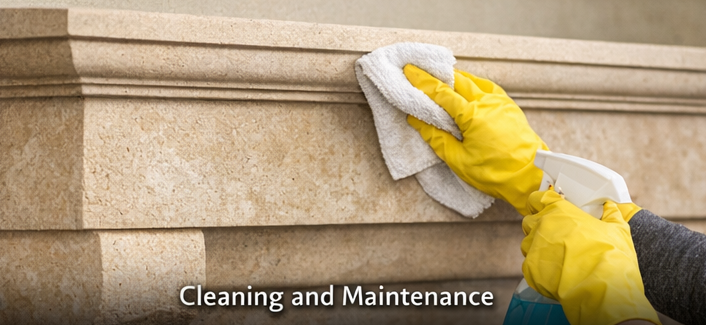
Sealing your fireplace is important because it protects against staining and keeps the stone looking fresh. Depending on use, most fireplaces need resealing every 1–3 years. High use fireplaces may require more frequent care.
If your fireplace gets stained, specialist stone cleaners can safely remove marks without harming the stone. Prevention is always easier than repair.
Learn how to protect your fireplace with our sealing guide
Restoration Tips
For period fireplaces, small chips, scratches, or surface staining are common. Restoration should focus on keeping the original character. Minor chips can be repaired with lime based fillers, and gentle cleaning can brighten the stone without altering its natural texture.
In listed or heritage properties, always check with a conservation specialist before making major changes. Over restoring a fireplace can remove the natural patina that gives Bath stone its charm.
Sustainability and Longevity
Bath stone is a durable material that can last for generations, reducing the need for replacement. Many historic fireplaces have survived hundreds of years, proving its longevity.
Responsible quarrying and the ability to reclaim stone for reuse also make Bath stone an environmentally friendly choice. Its timeless appeal combined with low long term impact makes it one of the most sustainable fireplace materials.
FAQ
With proper installation and care, a Bath stone fireplace can last for decades, even centuries.
Yes, unsealed stone is porous and can absorb soot and oils. Proper sealing prevents staining.
Not if installed correctly. Clearances and professional installation prevent most cracking.
Yes. Minimalist designs showcase the stone’s natural beauty and work well in contemporary spaces.
Many designs can be tailored to fit your room and fireplace opening.
Genuine Bath stone has a warm, creamy honey tone with subtle natural variations. It is slightly porous and may show tiny fossil fragments or grain differences. Unlike cast stone or manufactured alternatives, real Bath stone has a softer feel when first quarried and hardens naturally over time.
Yes. Smaller rooms benefit from simpler, minimalist surrounds with reduced moulding depth. Careful proportional planning ensures the fireplace remains the focal point without overwhelming the space.
Reclaimed Bath stone comes from previous buildings and may show natural ageing, patina, and historical character. New Bath stone is freshly quarried, offering more uniformity but less aged appearance. Both types are durable; the choice depends on whether you want historical authenticity or a consistent modern look.
Applying a breathable stone sealer is the most effective protection. Avoid direct contact with soot, wipe away dust regularly, and clean gently with stone-safe products. High-use wood-burning fireplaces may need more frequent sealing than gas or electric models.
Yes. Bath stone mantels can be paired with slate hearths, metal insets, or marble accents. Combining materials can enhance visual interest while maintaining structural safety. Ensure all materials are compatible with heat and follow installation guidelines.