Ventilation is one of the most important, and often misunderstood, parts of a wood burning stove installation. Whether you are fitting a new stove or upgrading an existing setup, the correct air supply directly affects performance, safety, and usability.
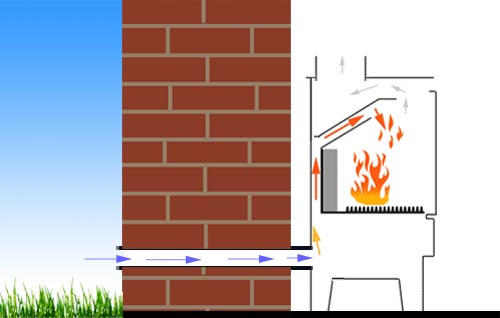
This guide explains the difference between direct air kits and wall vents, when each may be required, and how to choose the right solution for your property and stove.
Estimated reading time: 12 minutes
Table of contents
- Why Ventilation Matters for Wood Burning Stoves
- What Is a Direct Air Kit?
- What Is a Wall Vent?
- Floor Vents for Stove Ventilation
- Insulated Air Ducting on Premium Air Kits
- Key Difference Between Wall Vents and Direct Air Kits
- When Might You Need a Wall Vent or Direct Air Kit?
- How a Direct Air Kit Is Installed
- Choosing the Right Wall Vent or Air Kit
- Common Mistakes to Avoid
- Wall Vents vs Direct Air Kits – Which Is Right?
- FAQ
- Need Help Choosing the Right Vent or Air Kit?
If you already know what you need, you can browse our full range of wall vents and stove ventilation products, including options suitable for direct air kit installations.
Why Ventilation Matters for Wood Burning Stoves
A wood burning stove requires a consistent supply of oxygen to achieve stable and efficient combustion. If the air supply is restricted, the stove will not perform as intended.
Insufficient ventilation can result in:
- Difficulty lighting the fire
- Sluggish or unstable burning
- Increased smoke and sooting
- Reduced heat output
In many installations, particularly in newer or well-insulated homes, the limiting factor is not the appliance but the available airflow. Modern properties are built with lower air permeability, meaning less natural air leakage into the room.
Providing an adequate air supply allows the stove to operate as designed and helps avoid pressure related issues, particularly where other systems (such as extractors or mechanical ventilation) are present.
The correct approach, whether a fixed wall vent or a direct external air supply, depends on the appliance, the property, and how the system is used.
What Is a Direct Air Kit?
A direct air kit, also referred to as an outside air kit or external air kit, is a system that supplies combustion air to a wood burning stove directly from outside the property.
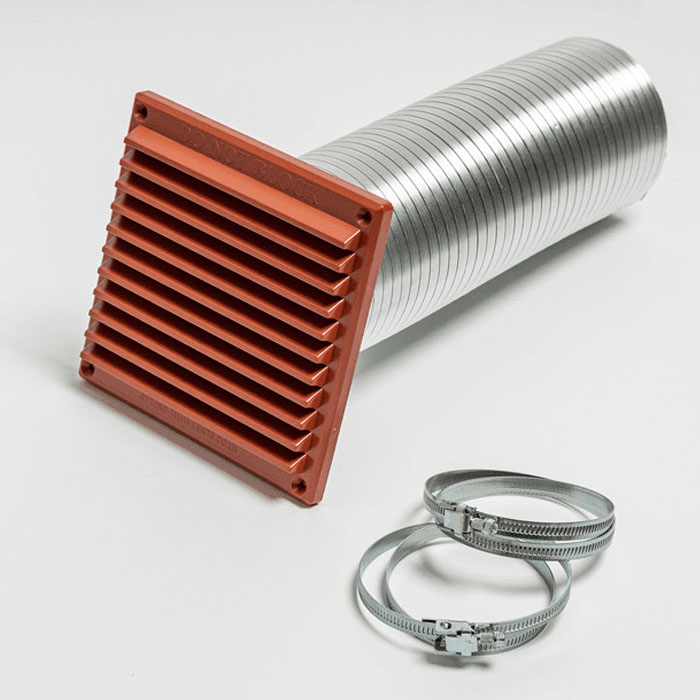
Rather than relying on air from the room, the stove is connected to an external air source via ducting. This duct typically runs from a connection point on the stove (rear or base) through an external wall, terminating at a fixed vent or grille.
This creates a dedicated air supply for the appliance, independent of the room it is installed in.
How a Direct Air Kit Works
- A connection is made to the stove (usually at the rear or base)
- Ducting runs from the stove to an external wall
- An external grille or vent allows air intake from outside
This creates a controlled air supply directly into the stove.
What “External Air Compatible” Means
Not all stoves support direct air kits.
A stove described as:
- External air compatible or
- Room sealed
is designed to connect to an external air supply.
This is particularly relevant in modern or airtight homes.
What Is a Wall Vent?
A wall vent, often known as a core vent, is a permanent ventilation opening installed through an external wall to allow fresh air into the room where a wood burning stove is fitted.
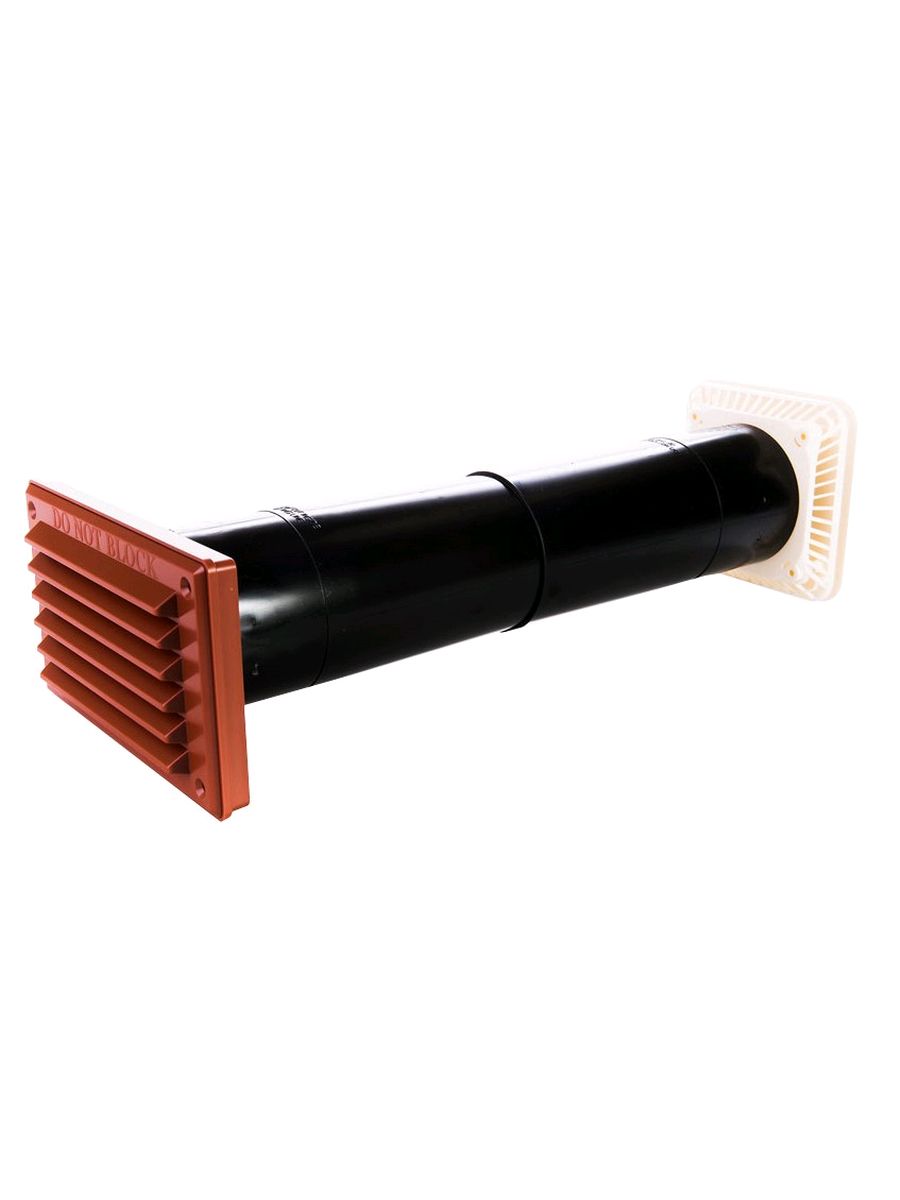
Shop Rytons 125mm Cowled Lookryt AirCore (111cm²)
Shop Rytons 125mm Baffled And Cowled Lookryt Aircore (81cm²)
It does not connect to the stove itself. Instead, it provides background ventilation so the appliance can draw the air it needs from the room.
The vent needs to be perminently left open.
Unlike a direct air kit:
- The stove continues to take combustion air from the room
- The vent allows outside air to enter the space to replace what the stove uses
Wall vents are a simple, passive solution used where a direct external connection to the stove is not required or not possible.
Floor Vents for Stove Ventilation
In some installations, a floor vent can be used instead of a wall vent to provide combustion air. This typically involves drawing air from a ventilated sub-floor void and allowing it to enter the room near the stove.
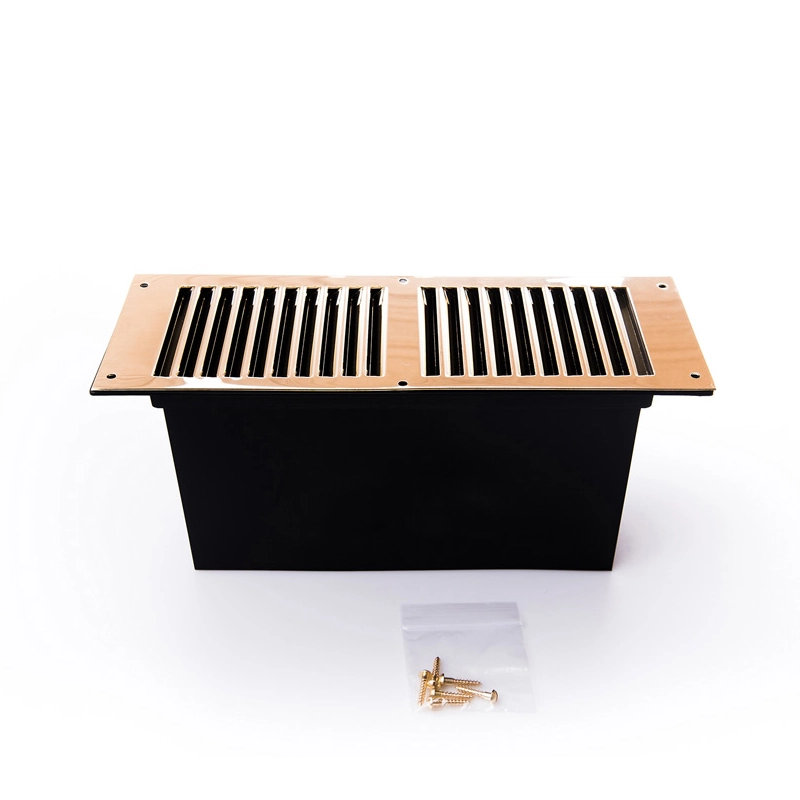
Floor vents are often considered where:
- There is no suitable external wall nearby
- Routing a direct air kit is not practical
- The property has an existing ventilated sub-floor
As with wall vents, the aim is to provide a consistent air supply to the room. Suitability depends on the property layout and available airflow beneath the floor.
Tip: Floor vents must remain permanently open and must not include any mechanism that allows them to be closed or restricted.
For example, products such as a floor ventilator with brass louvre provide a practical and discreet way to introduce airflow from below floor level. They’re also available in other colours and finishes such as chrome.
Insulated Air Ducting on Premium Air Kits
Some of the more premium manufacturers supply high quality external air kits, such as those supplied with Contura stoves, featuring insulated ducting as part of the system.
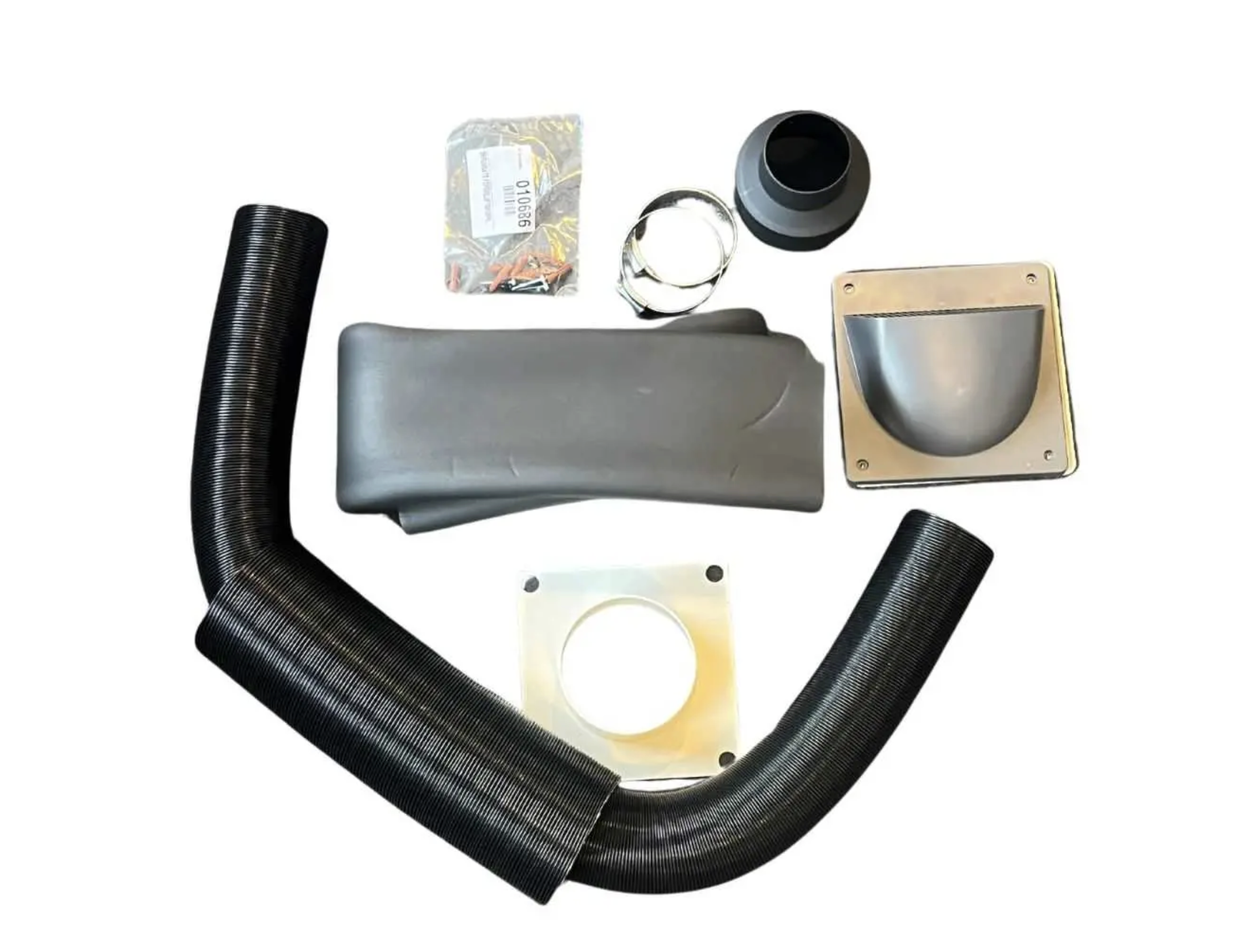
These typically include a foam sleeve around the air supply pipe. This serves several important functions:
- Reduces condensation risk – Prevents warm internal air meeting cold external ducting, which can lead to moisture build up
- Improves thermal efficiency – Helps maintain a more stable air temperature entering the stove
- Prevents cold bridging – Minimises unwanted cold transfer into the room through the duct
- Protects surrounding materials – Particularly important when running ducting through floors or voids
Insulated air ducting is especially beneficial in modern, well insulated homes or where the air supply pipe runs through unheated areas such as subfloors, voids, or external walls.
While not all stoves require insulated ducting, it is often recommended on longer runs or where there is a significant temperature difference between inside and outside.
Key Difference Between Wall Vents and Direct Air Kits
- Wall vent: feeds the room
- Direct air kit: feeds the stove directly
Both achieve the same goal, providing adequate combustion air, but in different ways.
When Might You Need a Wall Vent or Direct Air Kit?
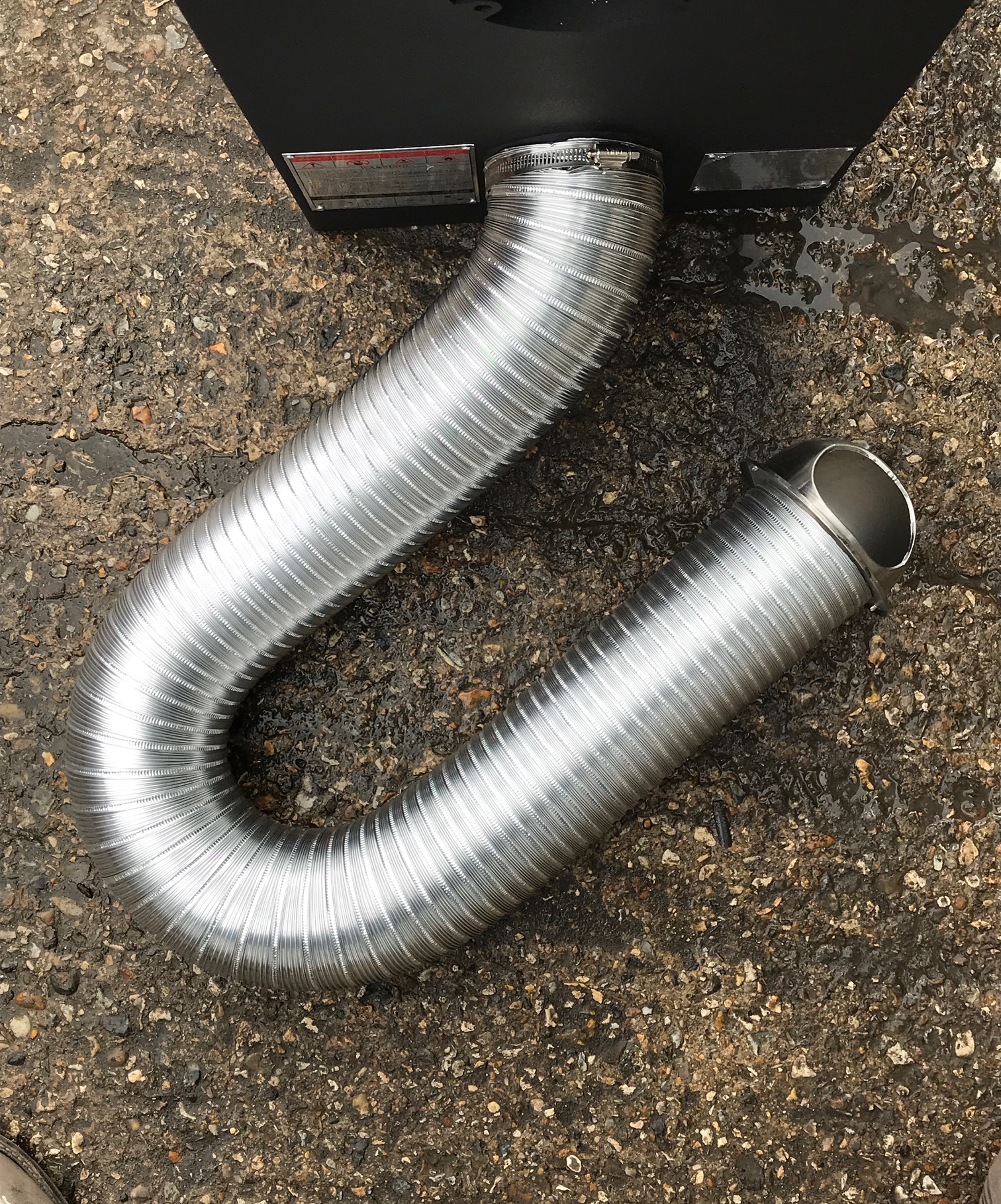
A direct air kit is often the preferred approach because it supplies combustion air directly to the stove without introducing a permanent opening into the room.
Additional ventilation is often required when a stove exceeds 5kW output, as more combustion air is needed.
In newer or more airtight homes (typically post 2008), natural airflow is reduced, so a wall vent or direct air supply may be required even for smaller stoves.
Where suitable, a direct air kit is often preferred, particularly in airtight or mechanically ventilated homes, as it provides a controlled air supply directly to the appliance.
However, it is not always possible to install one.
A direct air kit may not be suitable where:
- There is no clear route to a wall or floor
- The stove is not designed for external air connection
- Structural or layout constraints prevent ducting
In these cases, a core drilled wall vent (fixed air vent) is typically used instead. This provides the required airflow into the room so the stove can operate correctly.
A direct air kit is generally more suitable for:
- Airtight or modern properties
- Homes with Mechanical Ventilation with Heat Recovery (MVHR) systems
- Passivhaus or low air permeability buildings
This is because the air supply is contained and controlled, rather than introducing an open vent into the room.
The correct solution depends on the stove, the property, and how the installation is being carried out.
Higher Output Stoves
Stoves above 5kW output may require additional ventilation depending on the property. This is typically assessed during installation.
New Build and Airtight Homes
Modern homes are built with low air permeability. In these properties:
- Natural airflow is limited
- A stove may struggle without additional air supply
A direct air kit is often the preferred solution in these cases.
Homes with MVHR Systems
Mechanical Ventilation with Heat Recovery (MVHR) systems actively move air through the home.
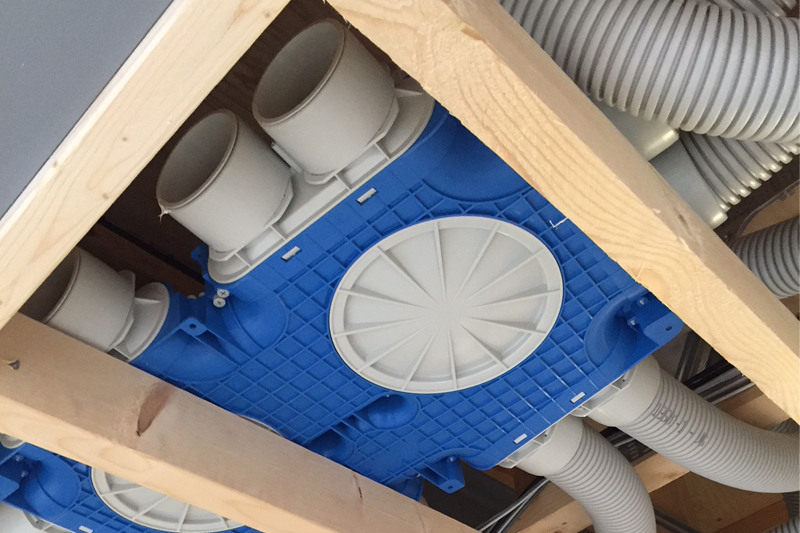
This can affect pressure balance and interfere with stove performance.
A dedicated external air supply is often recommended.
For more detail, see our guide to installing stoves with Mechanical Ventilation Heat Recovery (MVHR).
Passivhaus and Highly Sealed Properties

In highly airtight buildings:
- Internal air cannot be relied upon
- A fully sealed external air supply is typically required
In these cases, a fully sealed external air supply is typically required to allow the stove to operate correctly. For more detail, see our guide on installing a log burner in a Passivhaus or highly airtight home.
Rooms Without Existing Ventilation
If the installation room does not already have a fixed vent, one may need to be added.
How a Direct Air Kit Is Installed
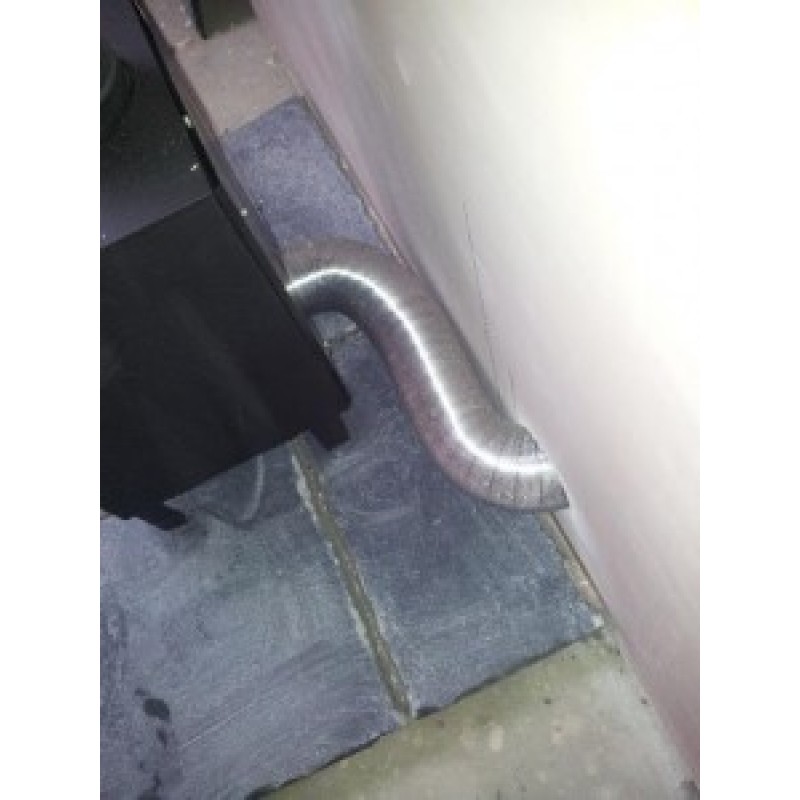
A typical installation is straightforward but must match the stove specification.
On some stoves, an external air kit is an optional extra required to connect the appliance to an external air supply.
Main Components
- Stove adaptor or spigot connection
- Flexible or rigid ducting (commonly aluminium)
- External wall vent or grille
- Connectors and seals
Basic Installation Process
- Connect ducting to the stove air inlet
- Route ducting to an external wall
- Install an external grille to terminate the system
All connections should be secure and properly sealed to avoid air leakage.
Choosing the Right Wall Vent or Air Kit
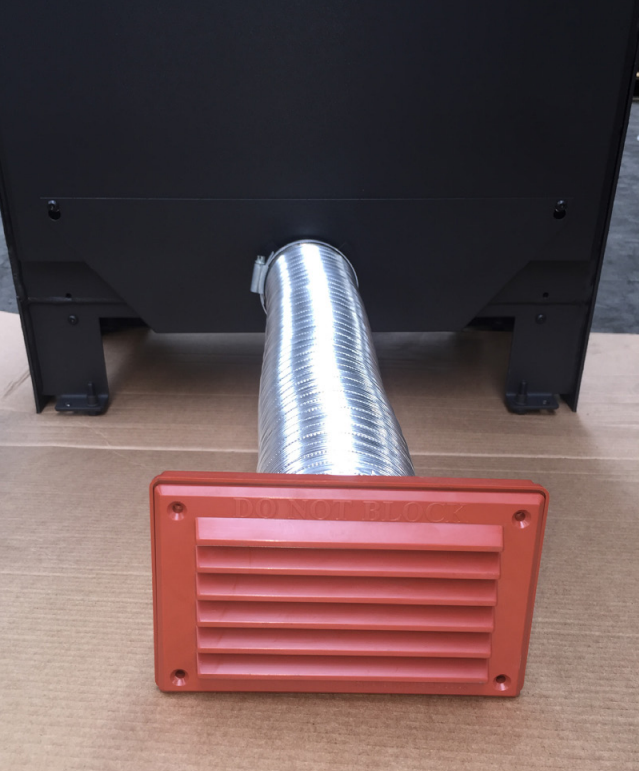
Diameter and Size
Common duct sizes include 80mm, 100mm, and larger.
This must match both:
- The stove connection
- The airflow requirement
Vent Design and Finish
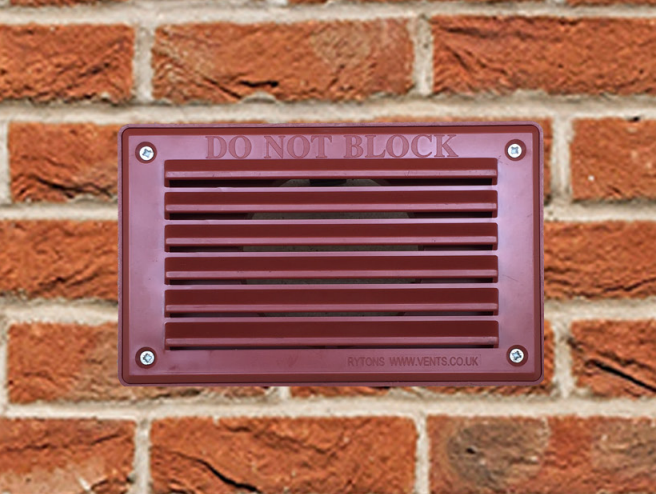
External vents are available in:
- Terracotta (most common)
- White
- Buff / sand
- Stainless steel
Selection is usually based on aesthetics and wall finish.
Manufacturer Compatibility
Some systems are designed for specific brands, while others are universal.
Common compatible manufacturers include:
- Rytons
- ACR
- Di Lusso
- Hunter Stoves Group
- Other universal systems
Duct Length and Routing
Direct air kits are typically supplied with a short length of ducting (often around 1 to 1.2 metres). In many installations, additional ducting will be required to reach a wall or suitable air source.

Longer runs are possible, but they should be kept as short and direct as practical. Excessive length, tight bends, or restrictive routing can reduce airflow and affect stove performance.
If a longer run is unavoidable, it may be necessary to:
- Increase the duct diameter
- Minimise bends and direction changes
- Follow the stove manufacturer’s guidance
The maximum practical length will vary depending on the appliance and installation, so it is important to size and route the ducting correctly rather than relying on a standard length.
Common Mistakes to Avoid
- Choosing a vent size that does not match the stove
- Assuming all stoves accept direct air kits
- Not considering airtightness of the property
- Poor sealing of duct connections
- Installing ventilation without understanding airflow requirements
Getting the specification correct at the start avoids performance issues later.
Wall Vents vs Direct Air Kits – Which Is Right?
There is no single answer for every installation.
In general:
- Wall vents suit traditional setups where the room provides sufficient airflow
- Direct air kits suit modern, airtight, or controlled environments
The correct choice depends on:
- Property type
- Stove model
- Installation layout
FAQ
No. It depends on the stove output, property type, and ventilation available.
A wall vent supplies air to the room, while a direct air kit supplies air directly to the stove.
Only if the stove is designed to accept an external air connection.
This depends on the stove output and installation requirements. Always match the vent to the appliance specification.
Not necessarily. Each serves a different purpose depending on the property and installation.
They often benefit from it due to airtight construction, but requirements depend on the specific setup.
It may burn poorly, be difficult to light, or produce excess smoke.
Installation is straightforward, but it should be done correctly to ensure proper airflow and compliance.
Need Help Choosing the Right Vent or Air Kit?
Choosing the correct ventilation setup depends on your stove, property, and installation. If you are unsure whether you need a wall vent or a direct air kit, our team can advise based on real-world installations.
We supply a full range of wall vents and ventilation solutions, including options for leading manufacturers and bespoke requirements.